
Nearly half of all summer vacations are booked in Q1, with January its peak month.
The travel industry refer to the first Saturday in January as ‘Sunshine Saturday’, usually the single busiest 24-hr booking period in the entire year. Spending is fuelled by consumers keen to have something to look forward to heading into their New Year. In 2025, UK customers spent approximately $4-5 billion in January on summer vacation bookings, while the US saw a $60-$70 billion investment.
Looking out at at these dark mornings, the cold, the rain, another year, who wouldn’t want something to dream about? Your mind turns to the sparking blue sea, the white sand, the sun warming your tanned skin, a cocktail in-your hand. These are the images that will feature in January travel campaigns.

The holiday websites do not feature images of the airport queues, the screaming toddler in the neighbouring hotel suite, or the 6am sun-lounger/towel hunger games.
As humans, what we enjoy is the anticipation. Long before you will ever travel, the anticipatory feelings alone already make you feel better. Astute marketers understand that anticipation is a key part of product consumption.
As we hurtle into 2026, consumers are now navigating a world shaped by significant geopolitical unrest, economic volatility, AI anxiety, continued climate disruption, and a constant drip-feed of negative news.

We know that when fear dominates, consumer spending contracts. But conversely, when anticipation rises, that spending is restored.
In 2026, understanding the psychology of anticipation and its dark twins, fear and uncertainty, has never been more important for brands.
Anticipation: An Emotion That Moves Us Forward
Anticipation is not simply optimism or waiting.
Anticipation is a future-oriented emotional state, the brain’s way of rehearsing a positive outcome before it ever happens. It is the closest thing we have to neural ‘time-travelling’.
The neuroscience behind anticipation is interesting – well it is to a social science nerd like me.

It is a top-down process, starting in the brain and signalling downward to the sensory and motor systems. The Prefrontal Cortex (PFC) is the conductor, capable of integrating any past memories with your current goals to then create a ‘working model’ of the future occurrence.
This then signals a dopamine response (the reward hormone), which is often more intense than the dopamine release experienced during the actual anticipated event itself. We are all familiar with that anti-climactic feeling (officially called a Negative Reward Prediction Error), which is essentially a drop in dopamine experienced versus that experienced in anticipation.
One of the reasons humans have been so successful as a species is because of this neural time-travelling talent.
It allowed us to become proactive rather than reactive.
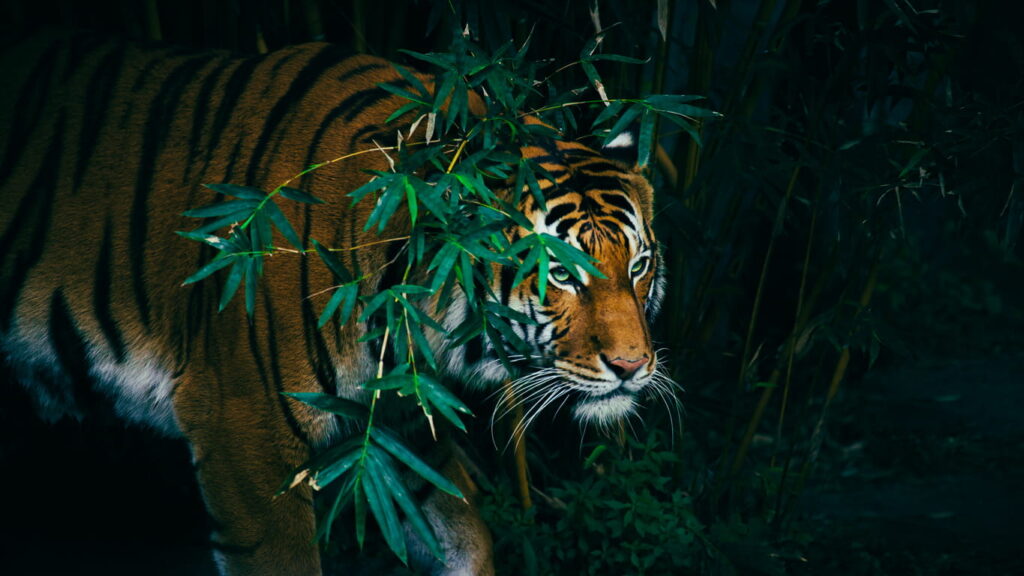
If your brain can anticipate that a predator might be behind a bush based on just a rustle, it can prime your muscles for flight before you see the tiger. This saves precious milliseconds that determine life or death.
Also understanding delayed gratification allowed early humans to plant seeds in the spring to eat crops in the autumn. Without the neurological capacity to feel the “reward” of future food through anticipation, our ancestors would never have moved past immediate hunting and gathering.
The interesting part of this for brands is the finding that dopamine spikes more in anticipation of reward than in the reward itself.
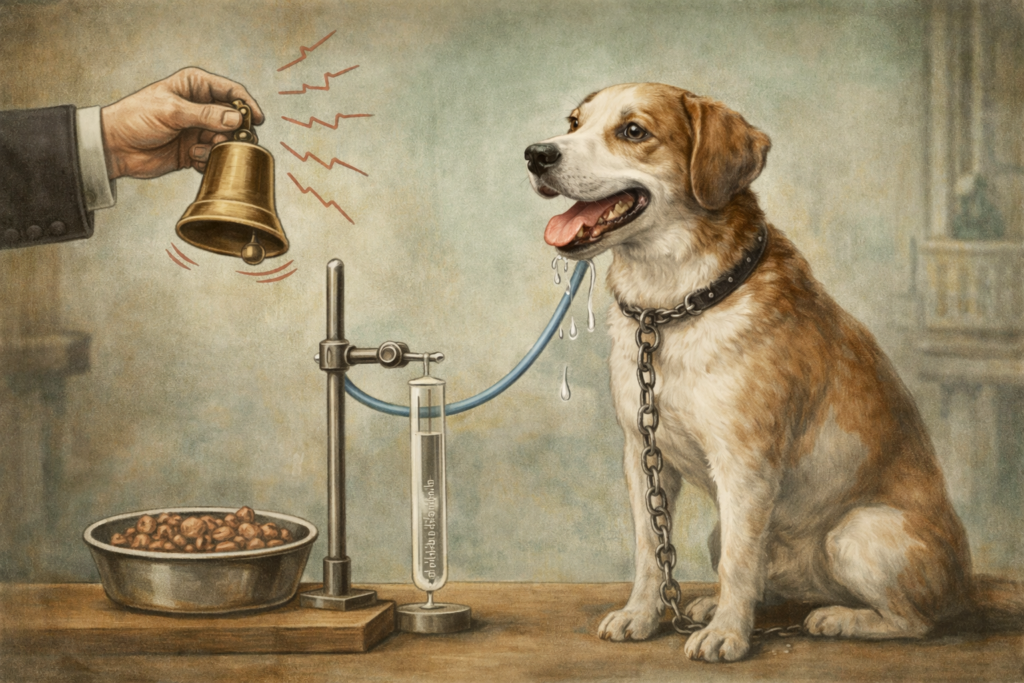
This is not just pop psychology but well established in peer-reviewed neuroscience research, notably work by Wolfram Schultz. The brain releases dopamine not when the reward arrives, but when we expect it. We are all familiar with Pavlov’s salivating dog.
This is why sometimes planning a holiday can sometimes feel better than the holiday itself, or the excitement about opening gifts can be more intense than the moment you discover what you got.
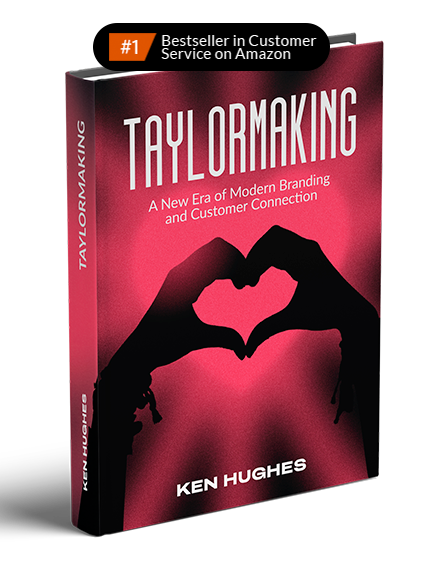
Anticipation means that a 3.5-hour Taylor Swift Eras Tour concert experience becomes a pre-event 6-month brand bonding experience for Swifties. Swift is a master of anticipation, whipping her fan base into fever pitch levels for every album or movie launch, using digital platforms and OOH media. She floods her fans prefrontal cortex with dopamine through clever gamification and teasers, some lasting months, if not years. She understands that anticipation is as powerful, if not more so, than product.
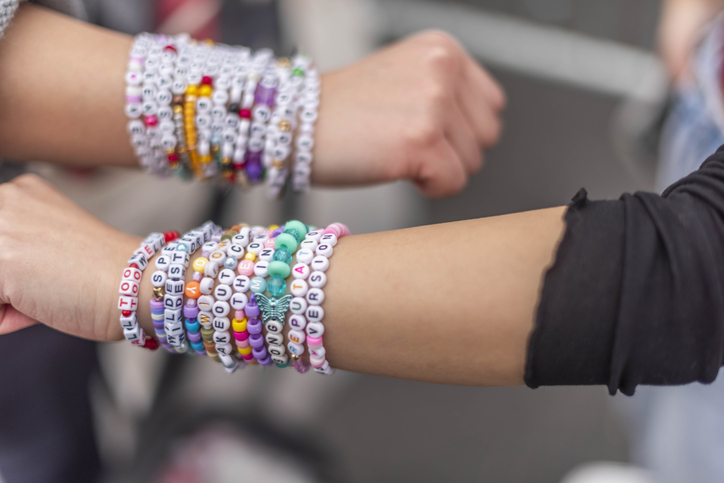
When you engage emotions, you create bonds of belonging.
Anticipation is powerful fuel, energising behaviour, increasing motivation, and crucially for brands, also helps loosens wallets.
Why Anticipation Increases Spending
Behavioural economists have long observed that consumers spend more readily when they are emotionally oriented toward a positive future.

Those anticipation hormones reduce any perceived pain of payment, increase the perceived future value, encourage planning behaviour and extends the emotional lifespan of a purchase.
One of the great ironies of our modern “same or next-day delivery” culture is that by eliminating the wait, we inadvertently strip away the neurological benefits of anticipation, effectively trading long-term dopamine-driven pleasure for a fleeting moment of instant gratification. Removing the delay lowers the impact of the anticipation.
In simple terms, when consumers anticipate something good, they feel emotionally richer.
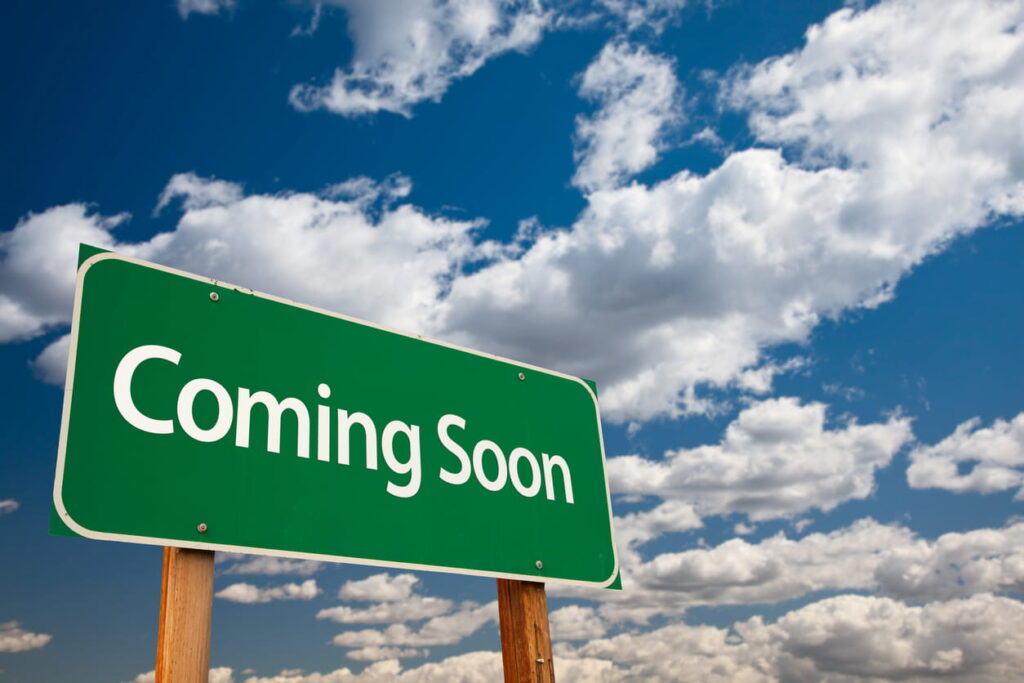
It is why the “Coming Soon” messaging outperforms the “Buy Now” in many categories. It is why Netflix tease you with what is ‘dropping soon’. Anticipation stretches joy over time.
Hormones aren’t just for Puberty
But aside from the reward, anticipation isn’t just cognitive. It is also physiological.
Yes, the studies show that positive anticipation Increases dopamine and serotonin, but it also lowers cortisol (the stress hormone) and thus improves mood and perceived wellbeing, which in turn primes propensity to purchase.
Your body quite literally leans toward the future. Those hormones encourage action, commitment and spending with less regret.
It is also why brands that sell futures (travel, experiences, education, events) tend to outperform in emotionally turbulent times. They are not selling products. They are selling hope and forward momentum.
The Other Side: Uncertainty and Fear
But it is not all rainbows and glitter unicorns for 2026. There is uncertainty in the air.
Uncertainty is not the same as risk.
Risk can be assessed, judged, considered, understood. Uncertainty cannot.
Psychologically, uncertainty triggers the brain’s threat detection systems, particularly the amygdala. When humans cannot predict an outcome, the brain defaults to self-protection.
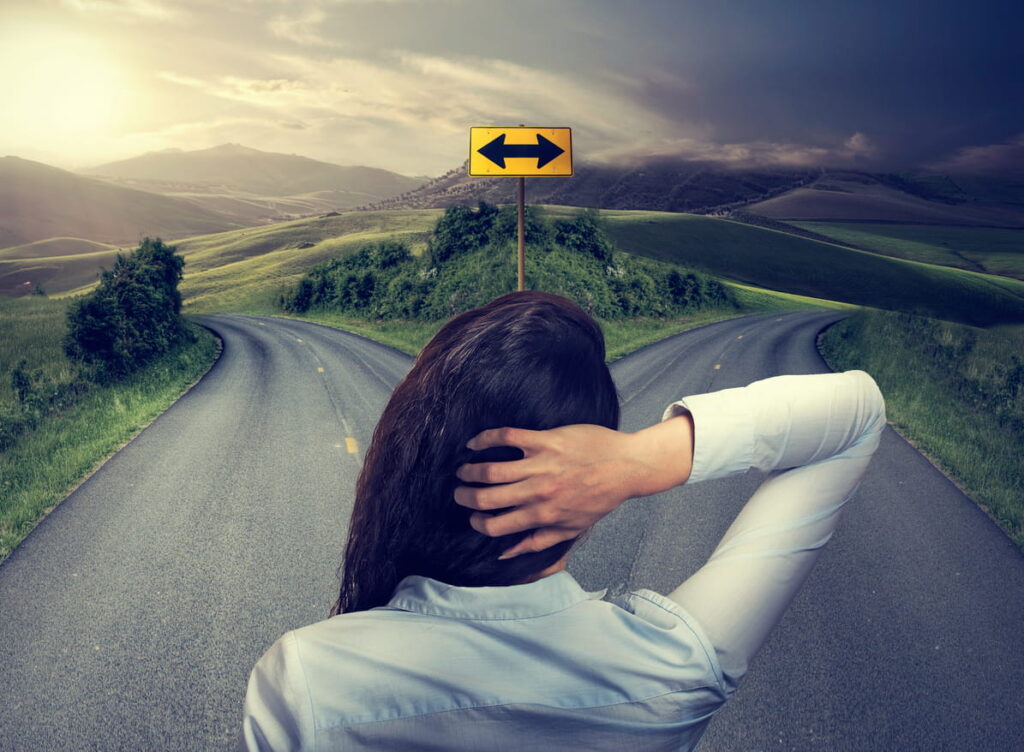
From decades of behavioural economics research (if you’re interested, particularly work by Kahneman & Tversky), we know that fear and uncertainty Increase loss aversion, suppresses discretionary spending, promotes short-term thinking and drives hoarding or freezing behaviour.
In uncertain environments, consumers delay their purchases, seek reassurance, stick with familiar brands and avoid making long-term commitments
And again, this isn’t irrational. It’s evolutionary. When the future feels unstable, the brain prioritises survival over enjoyment.
Why 2026 Feels More Psychologically Heavy

Adult hispanic man wearing glasses over isolated background looking stressed and nervous with hands on mouth biting nails. Anxiety problem.
The challenge brands face heading into 2026 is not just inflation or geopolitics but ambient anxiety.
Consumers are dealing with inflation, economic unpredictability, crushingly constant negative news cycles, AI-driven job anxiety, climate disruption, and significant political instability.
This creates what psychologists call chronic low-grade threat. It is not enough to cause panic (no need to stockpile the toilet paper just yet), but enough to suppress joy-driven behaviour.
When fear dominates, consumers don’t stop spending entirely, but they do reframe it.
They move from aspirational purchasing to reassurance, from buying driven by desire to safety, from exploring the new to buying brands that are familiar.
Brands that ignore this emotional context and nuance may struggle in 2026. Brands that acknowledge and counterbalance it with anticipation will win.
In 2026, anticipation is our elixir.
Anticipation vs Fear: A CX Choice
Fear shrinks your world. Anticipation expands it.

Brands cannot control geopolitics, but you do control emotional framing. And the brands that thrive in uncertain times are those that quickly reduce friction, increase reassurance and give consumers something to look forward to.
So, let’s talk about what, as a brand and business owner, you can actually do.
3 Things Brands Can Do to Replace Fear with Anticipation
1.Turn Transactions into Timelines
Uncertainty thrives in ambiguity, but anticipation thrives in clarity. One of the simplest ways to reduce fear is to make the future visible.
Give your customers clear timelines, reduce any anxiety, increase trust and create mini moments of anticipation.

Look at something as simple as Domino’s Pizza App delivery tracking. It is not about efficiency.
It’s about psychological reassurance.
Each of their updates creates micro-anticipation and reduces uncertainty. ‘Your order is placed … your pizza is in prep… it is baking in our ovens … your order is out for delivery…’
You’re not just waiting. You’re progressing. Each message drip feeds more dopamine.
The lesson for brands here is to:
- Show customers what happens next
- Replace silence with visibility
- Turn waiting into anticipation
When customers can visualise the future, they fear it less.
2. Sell the Build-Up, Not Just the Outcome
Anticipation is strongest when joy is spread over time. Brands that only focus on the moment of consumption are leaving value on the table.
The smartest brands design anticipatory journeys.
One brand that gets this is Airbnb. They don’t just sell accommodation, they sell anticipation.
Before the trip you are immersed in location photos, host messages, local recommendations and potential experiences in your area (cooking classes, boat trips, personal walking tours).
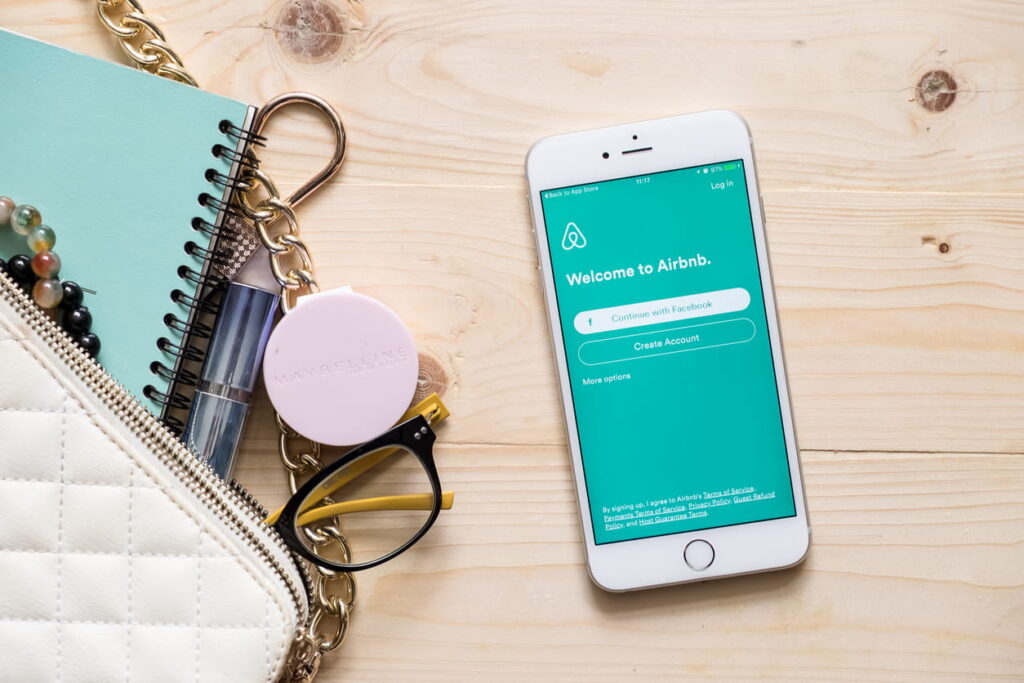
The holiday starts weeks, if not months, earlier.
In uncertain times, this matters. You’re not escaping reality — you’re looking forward to something.
For brands this means you need to focus on:
- Extending the emotional runway
- Design pre-experience touchpoints
- Give customers something to anticipate
Anticipation increases perceived value without increasing cost.
3. Offer Controlled Choice in an Unstable World
Fear thrives when people feel powerless. It was the driver behind the Toilet Paper Apocalypse in 2020 (click to read an article I wrote at the time on the Psychology of Panic). However, anticipation grows when people feel agency.
Psychology consistently shows that perceived control reduces stress, even when outcomes remain uncertain.
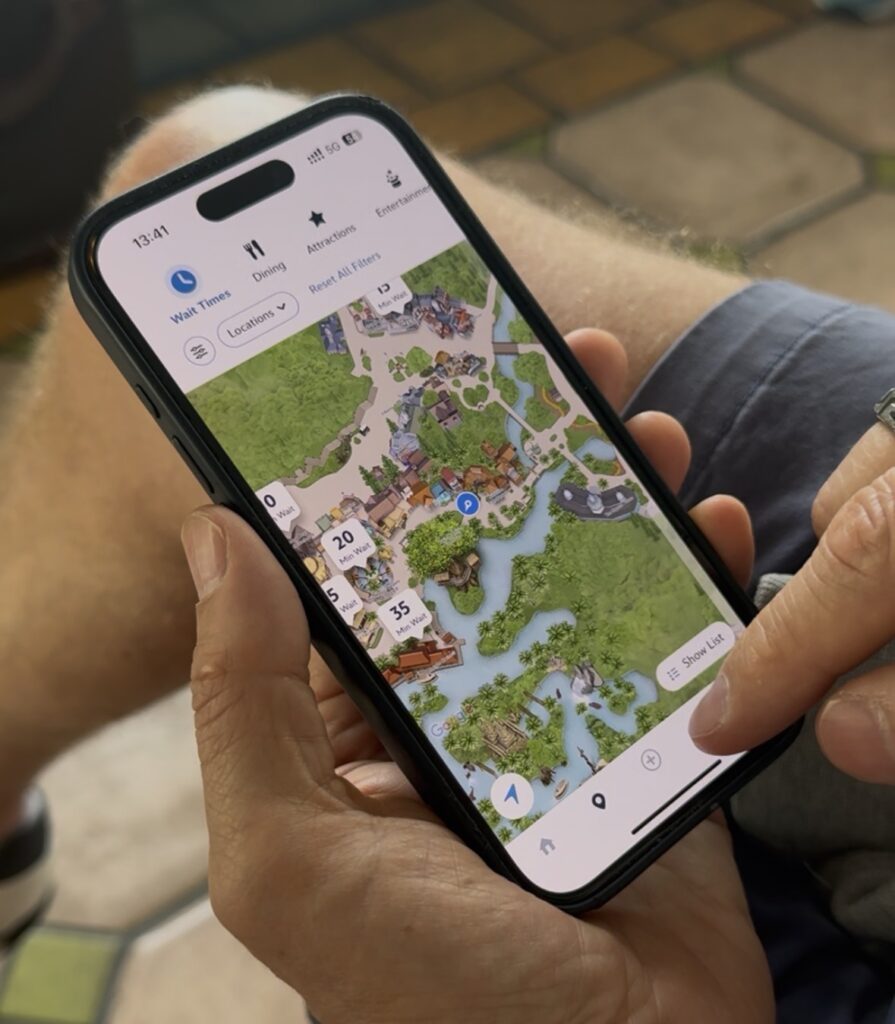
They give customers structured choice.
In an unpredictable and queue-based environment, Disney creates predictability. And predictability creates anticipation.
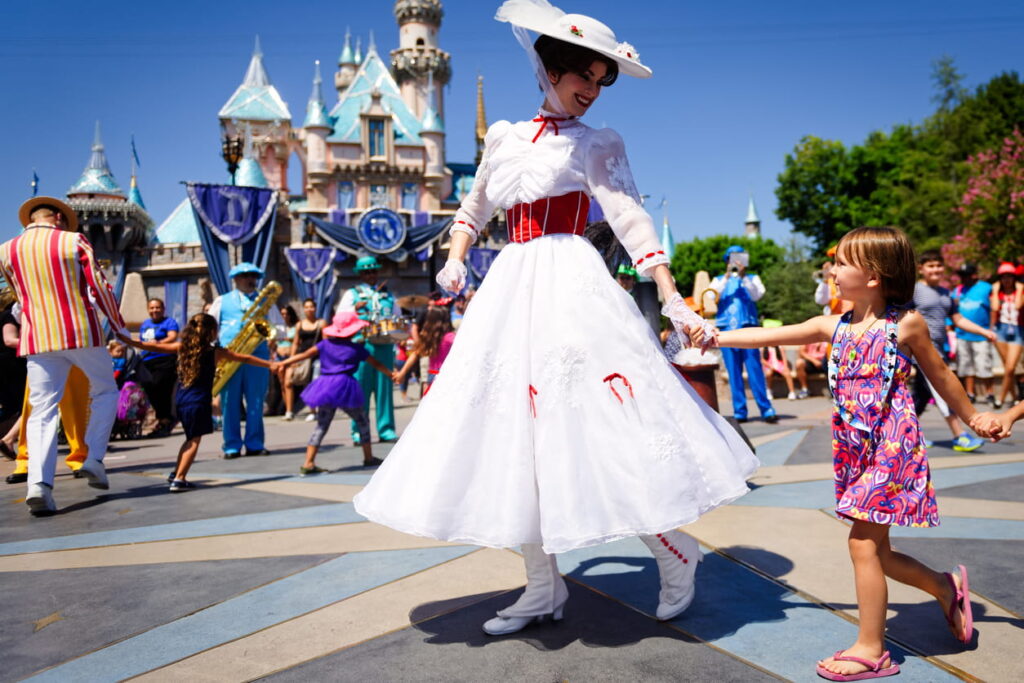
The lesson for your brand is to:
- Let customers customise their future
- Replace forced journeys with chosen ones
- Make them feel in control of what comes next
Control doesn’t eliminate uncertainty, but it does neutralise fear.
Why This Matters Now
As we move toward 2026, brands face a clear choice. You can ignore emotional context and push harder on price, urgency, and scarcity.
Or you can recognise a deeper truth. When the world feels unstable, people don’t stop dreaming – they just need help doing it safely.
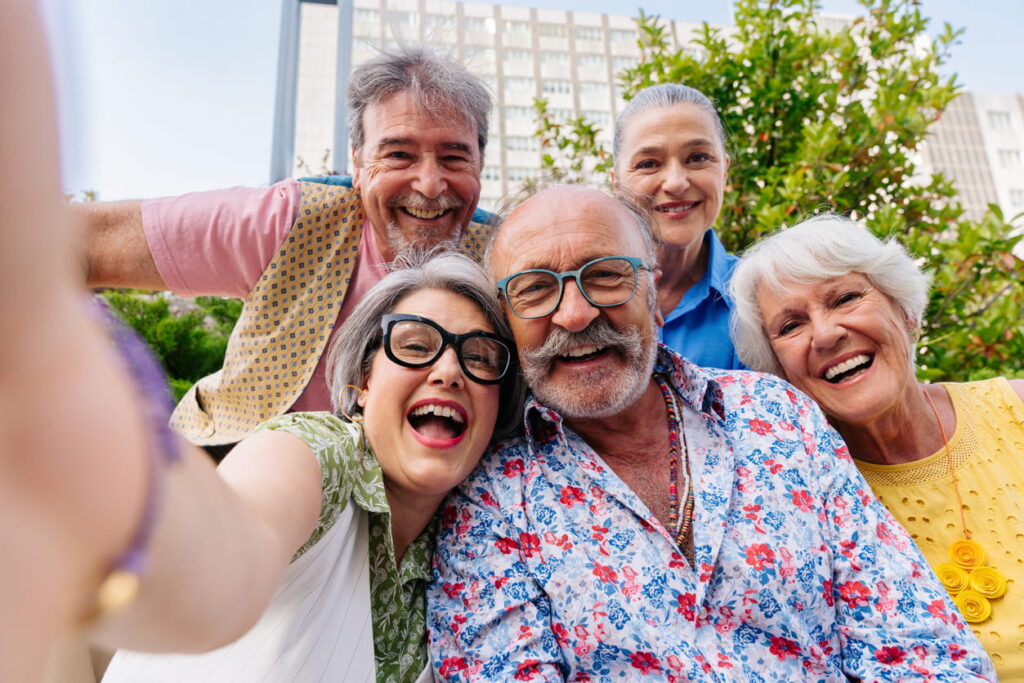
Anticipation is not escapism. It is resilience.
It gives people something to look forward to, a sense of forward motion and emotional relief from uncertainty.
Brands that understand this won’t just survive turbulent times. They’ll be remembered for how they made people feel during them. When brands align with that emotional truth, they become more than providers. They become partners in the future.
And in uncertain times, that’s the most valuable position you can occupy.
Right. I’m off to book a trip to the Maldives. Then I am going to buy a Lamborghini. Apparently, the wait time to receive one, post booking deposit, is currently 12-24 months.
That’s a lot of anticipation.