
“She said 47 seconds on the podcast. That’s so random. Why would she say that? She’s the half-time act for the 60th Superbowl. 100%. It’s in Levi stadium and that was her 47th stop on the Eras Tour. Their mascot is Sourdough Sam, and she said she was making sourdough all the time and thinking about it ‘60% of the time’
And that Spotify playlist link she put up in Times Square – it’s called 22, and it has 22 songs. All the 2’s. We are definitely getting a secret double album. She was so clear that it was just these 12 songs, but there’s a Pinocchio doll in the background on the set. It’s so obvious. She’s lying. And of course she’s launching the album on 10/3. 10+3 = 13. And I think something big is going to happen on 13th September too, 9/13. 9+13 equals that 22 again.”
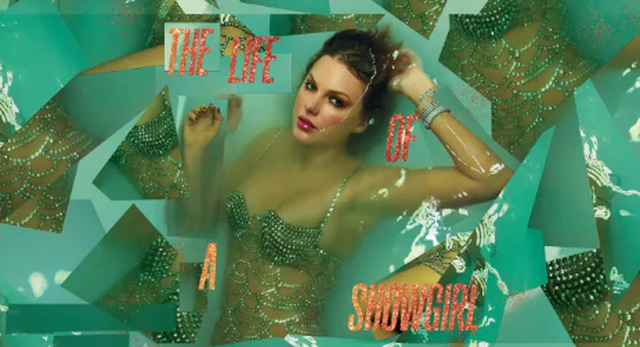
Above is the monologue of the Swiftie mind. That is a real-life transcript from one of the thousands of TikTok fan reels deconstructing Taylor’s numerology and ‘Easter Egg’ clues she hides in her social media posts, interviews, her live tours and videos.
From Transactions to Tribal Belonging
If brand loyalty is a promise, tribal belonging is a pledge. It is the moment your customers stop being your audience and start being each other’s people, the moment you shift from transactions to building a tribe.
No one does this better than the Swiftie army.
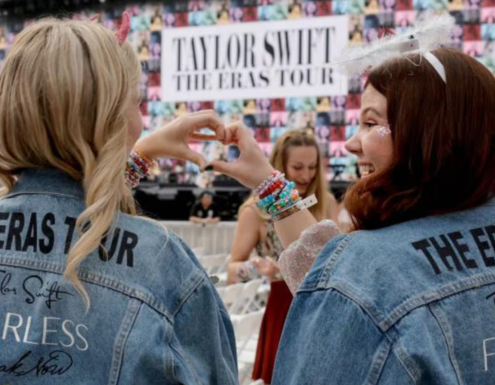
They don’t just attend a show; they rehearse the rituals, decode the clues, trade the bracelets, and recruit new members. Tribal and Brand Fandom shifts the focus from Marketing to Meaning.
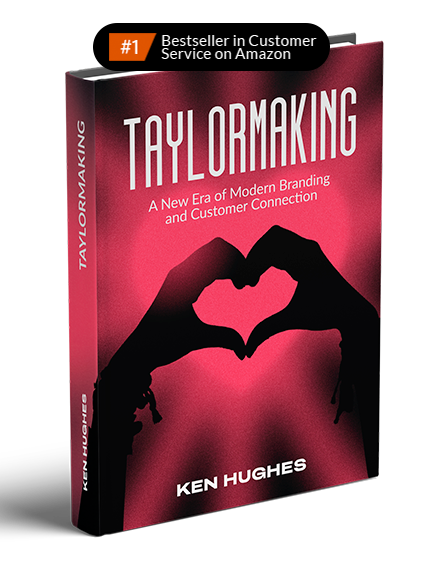
Taylor’s playbook rests on several values, each explored in my new book Taylormaking: A New Era of Modern Branding and Customer Connection.
Two central ones are Surprise and Delight (unexpected generosity that deepens affection and emotional connection) and Gamification (structured play and mischief that turns customers into collaborative participants). Together, these two values create an emotional flywheel -anticipation → discovery → storytelling → status in the tribe – repeat.

- Surprise & Delight. Secret Sessions in her actual home, unexpected meet-and-greets, the “22” hat moment at the Eras Tour, a comment on a fan’s post at 2am, or a handwritten note that arrives years after a first interaction. These are micro-miracles. Most are small, but small is the point; intimacy doesn’t have to impact everyone, it scales through peer-to-peer tribal storytelling.
- Gamification. Swift’s world is deliberately puzzle-shaped. Born on the 13th of December, the number 13 pops up regularly. There was a reason my own book launched 13th September. Track 13 on her albums always carries emotional weight. Release times nod to 12:13, tying back to her birthday. Capital letters hide messages in liner notes. Music videos contain visual ciphers. Fans hunt, solve, and share. It’s dopamine with a soundtrack—and more importantly, a tribe with a common purpose and language.
The result? Fans don’t consume the product; they progress through it like a real-world video game. Levels, lore, artifacts, rewards. You aren’t just listening to the music; you’re earning your place in the tribe. Genius.

Why It Works: The Psychology Behind the Glitter
Belonging isn’t just a vibe; it’s a core human need. The Swiftie tribe quietly satisfies all three pillars of Self-Determination Theory:
- Autonomy: choose your rabbit hole — lyrics, Easter eggs, outfit eras, bracelet designs. There is something for everybody.
- Competence: decode the clues, complete the quest, “I got it before the reveal”. The more you play, the better you get.
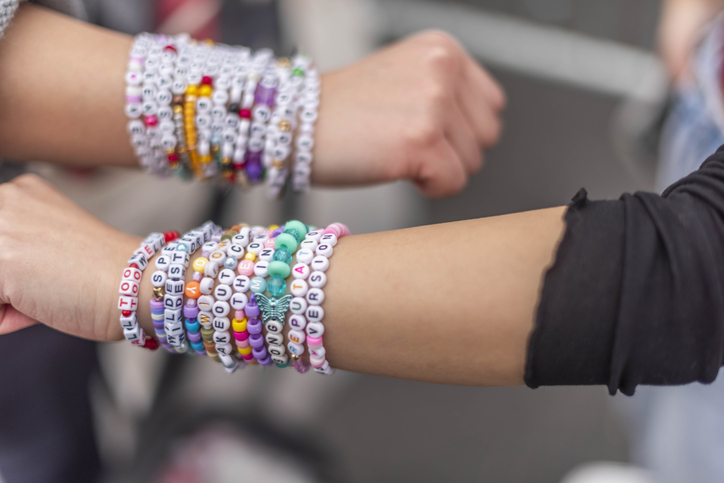
- Relatedness: trade bracelets with strangers, sing together in stadiums or car parks, share the lore, solve the mystery together.
Surprise adds warmth (“she sees us”) and gamification adds status (“I’ve earned this”).
Together they hard-wire attachment. That’s why the friendship bracelets feel like currency; they’re both proof of play and proof of belonging.
All pop icons have fans. They are ‘consumers’ of the music, and they idolise their favourite performer. But none have the religiosity of the Swiftie tribe. That is built on tribal belonging and there are layers, carefully laid down, over 20 years of authentic customer connection.
Borrow These Moves: Brands That Turned Customers into Tribes
Of course, you don’t need to be a global entertainment icon to build a brand tribe. You just need to copy the playbook – the rituals, rewards, and curate reasons for customers to talk to one another.

- LEGO Ideas: Fans pitch sets, vote, and see community creations become real products. Gamification (votes, thresholds) meets co-creation (credit on the box). It’s the Secret Session for builders.
- Duolingo: Streaks, leaderboards, XP chests, and the needy green owl that memes you into practice. Tiny surprises (streak freezes, bonus chests) + visible progress = daily habit + community in-jokes. It’s belonging, but with verbs.
- Nike Run Club & Peloton: Badges, seasonal challenges, and public shout-outs. The miles matter less than the moment of recognition. When a leaderboard reads your name, you feel seen by the tribe.
- Sephora Beauty Insider: Tiers, birthday gifts, limited drops for VIB/ROUGE. The game isn’t just points; it’s status theatre. Customers post their hauls because belonging is meant to be witnessed.
- Fortnite & Pokémon GO: Live events, seasons, challenges, community days. Appointment play. FOMO becomes a social glue; the story evolves because the players show up.
None of these brands are “doing social content.” They’re orchestrating shared rituals that help customers find one another—and themselves—through play. So, what could you do to build similar communities for your brand?
Build Your Swiftie-Level Tribe: A Practical Mini-Playbook
- Codify your symbols. Pick a number, colour palette, emoji, or inside phrase. Repeat it until it’s lore. If Swift has 13; what is yours?
- Create a “bracelet.” Design a low-cost artifact brand fans can build, gift or trade -stickers, pins, digital badges, limited codes. Make it easy to carry and easy to share.
- Hide things in plain sight. Launch an ‘Easter-egg’ economy of your own: clues in product pages, emails, packaging, or store signage. Reward solvers with early access, hidden merch, or backstage content.
- Budget for surprise. Ring-fence money (and permission) for frontline teams to create micro-delight—upgrades, handwritten notes, unexpected samples, free shipping “just because.” Surprise needs autonomy, not approvals.

- Design seasons and quests. Quarterly challenges, limited-window drops, timed “Double-Star” equivalents. Appointment moments give tribes a calendar—and a reason to gather.
- Turn User Generated Content (UGC) into canon. Feature fan creations in the product, app, or store. When the community sees itself inside your brand, it stays to build more.
- Measure tribal KPIs. Track repeat participation, challenge completion, UGC volume, referral rates, and sentiment around your rituals. Loyalty is lagging; participation is leading.
Surprise & Gamification: The Bonding Compound
Surprise signals care; gamification creates continuity. One says, “I see you.” The other says, “See you again next week.”
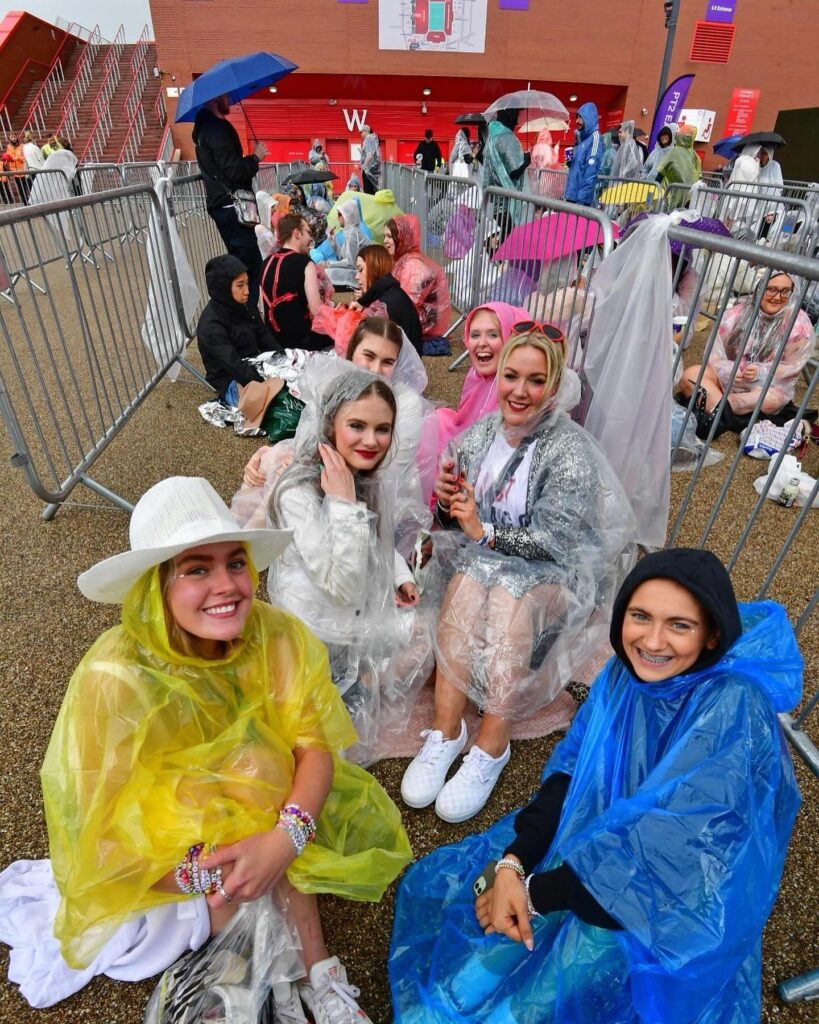
This is why Swifties queue in the rain, sing in parking lots, and bead bracelets for people they’ve never met. The mechanics (numerology, clues, rituals) create a structure and sub-culture; the emotion fills it. Connection becomes compounding.
The tribe starts to self-govern, self-create, and self-recruit. At that point, you don’t have a marketing plan. You have momentum.
Start small but start now.
You don’t need a Grammy to build a galaxy. Start with one ritual this quarter:
- Hide a clue in your next release notes.
- Drop a surprise gift to your top 1% contributors—no campaign, just gratitude.
- Launch a 13-day challenge that ends with a community-only reveal.
- Give your support team a tiny “delight budget” and a license to use it.
- Pick a symbol and over-index it until customers start using it without you.
Fans don’t become tribes because you ask them to. They become tribes because you give them something to do together—and a reason to feel a sense of belonging. Swift showed us the path: make the world playful and mischievous, let the people in, and keep the surprises coming.
Don’t run campaigns. Choreograph rituals. And when your customers start trading their own “bracelets,” you’ll know you’ve crossed the line from liked to loved—from an audience to an ‘us’.
For more insights on Customer Intimacy, Brand Fandom, Customer Connection, Values-Led Leadership, Customer Experience, and Brand Loyalty, check out my new book (did I mention I’d written a book?) on Amazon.
Taylor would tell you to buy 13 copies.
Let the games begin.