There are many global tennis tournaments but none of them can touch Wimbledon, the hallowed grounds of tennis, for its tradition, excellence, prestige and premium experiential nature.
Last week the 2025 tournament ended, and as millions tuned in to watch the Alcaraz v Sinners showdown in the Men’s final, I couldn’t help noticing the experiential power of Wimbledon and how differentiated they have made their brand.

Aside from the grass courts, the pristine whites, the strawberries & cream, and the Pimm’s, there are the Royals, the fashion, the other celebrities, the rituals and the champagne. In few other sports would you have an umpire quote “Ladies and Gentlemen, as a courtesy to both players, please do not pop champagne corks just as the players are about to serve” as a cork landed at Sinners feet on the court mid-play.
What should be apparent, is that in successful branding, it is not always about the core product but about the overall experience. You may think it is just a tennis tournament like any other, but of course it is not.

While it may be the oldest tournament in the world, and yes, has the Princess of Wales as a patron (which helps the premium nature of it all – tickets for last week’s men’s final were changing hands on resale sites for £20,000), Wimbledon is about more than tennis. It is a feeling, an event, a tradition. It stands above the divisive, uncertain world we find ourselves living in.
So, here are three things your brand could learn from Wimbledon.
1. A Strong Serve Sets Expectations
This year, Giovanni Mpetshi Perricard, a 22-year-old French player set a new Wimbledon serve record, delivering a 246 km/h rocket in his first-round match.
Every tennis match begins with a serve, setting the tone, asserting control, and ultimately, aiming for an advantage in the game. As a player, get that first serve wrong too often and you are on the backfoot, literally. Alcaraz only landed 53% of his first serves versus Sinners 62%. It was one of the reasons for his loss.
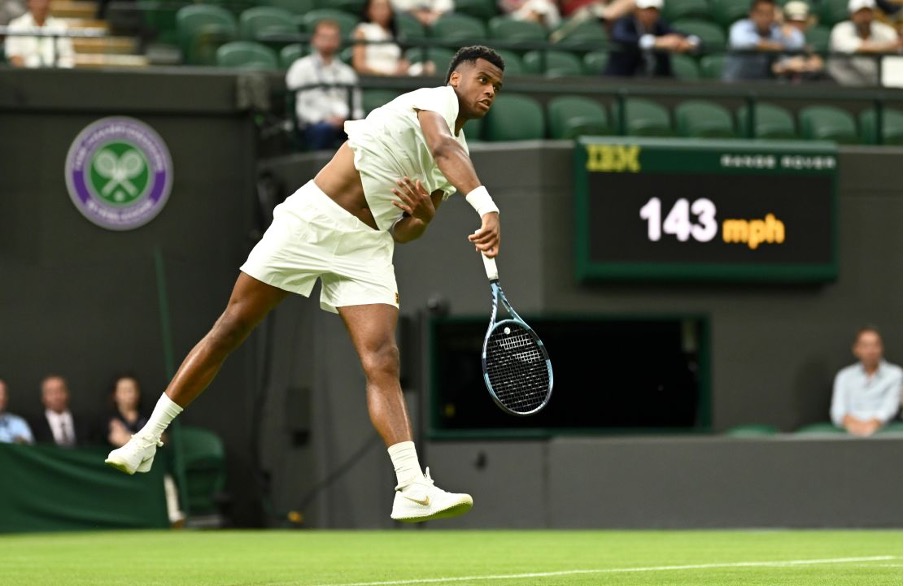
In the world of customer experience, the “serve” is analogous to any brand’s initial interaction and the setting of your customer expectations. For Gen Z and Gen Alpha customers, you really don’t get another chance. They do not give second chances – there is no second serve.
Think about how you are delivering and setting customer expectations from the outset. With waning attention spans, you get one shot. Make it count.
2.The Rally of Sustained Engagement
The longest rally at this year’s Wimbledon was a 35-shot interchange between Djokovic and Minaur, 10 behind the 45-stroke record, also involving Djokovic in 2019.
The intricate dance of shot and counter-shot, requiring constant focus, strategic thinking, and seamless adaptation is a perfect metaphor for the ongoing customer journey and a brand’s ability to engage and respond in real-time.
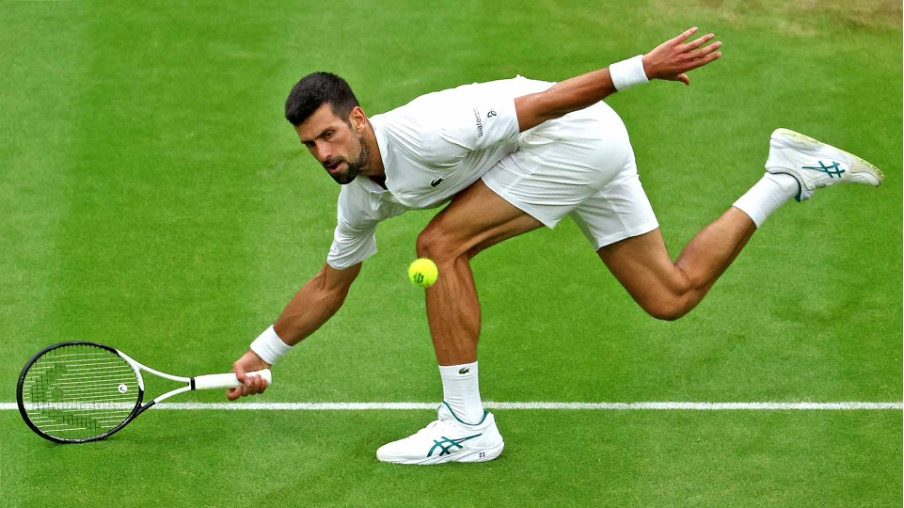
A great tennis rally is about more than just hitting the ball back; it’s about placing it strategically and adapting to the opponent’s moves. In customer experience, this translates to sustained engagement that is both personalized and responsive. A brand doesn’t just make a sale and disappear; it should actively participate in the customer’s ongoing interaction, invest in the ‘dance’.
Too often a brand hits a few good opening shots, to then just walk away or move on to recruiting other new ‘shiny’ customers, leaving their existing customers swinging their rackets alone. Insurance and utility companies are particularly notorious for this, only communicating with their customers when they want the annual renewal.

You need to see your customer interactions as a continuous dance, a sustained rally of interaction and responsive play. If you see your business as a series of ‘ace’ single-serve interactions, you are running a transactional brand and not one that will have the relationship depth required for emotive loyalty.
3.Every Touchpoint Counts
Martyn Falconer is the head gardener at Wimbledon. With a team of 18 full-time and 13 seasonal gardeners, he delivers the famous ‘English-garden’ look throughout the 42-acre complex. This investment is about maintaining the overall ambience and nothing to do with how centre-court looks. It is nothing to do with the sport of tennis.

Approximately 200,000 portions of strawberries and cream are sold during the tournament. The tea lawn and Pimm’s bars are surrounded by neatly clipped hedgerows and sun parasols. People dress-up to attend, even if sitting outside the centre-court on the grass of the ‘hill’, watching the action on the screen. It is an occasion not a sporting event.
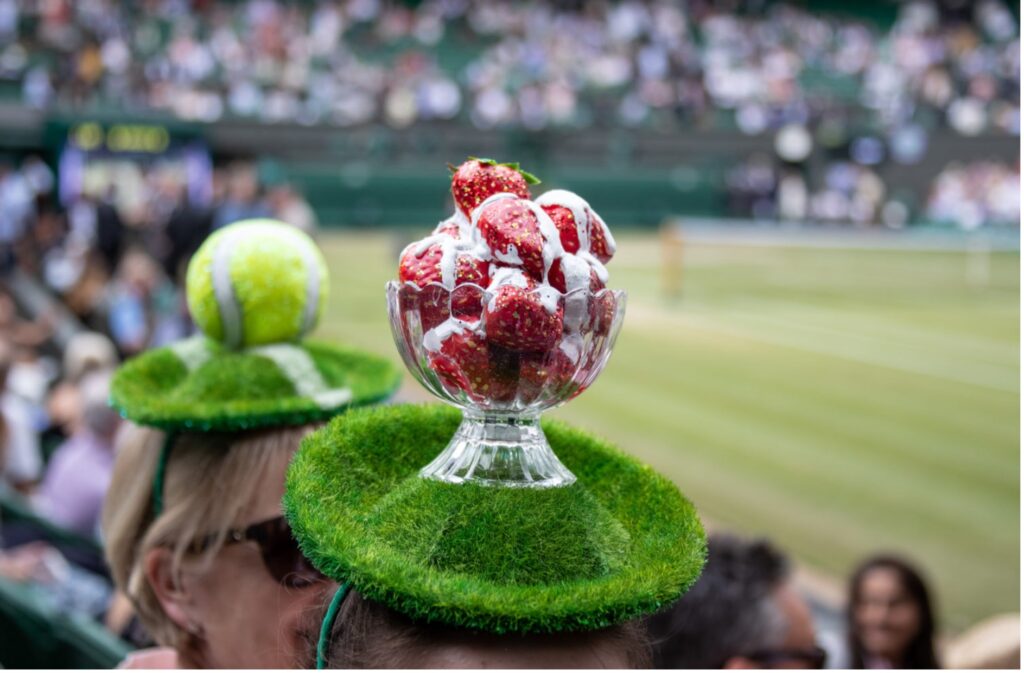
What all this points to is that successful brands recognise that loyalty and differentiation lie beyond core product. You need to push past functional or transactional product delivery (the tennis match) and create an experience, occasion, rituals and fandom that surround it.
In an increasingly competitive marketplace, where any product or service can be commoditized, the differentiator lies in the experience a customer has with a brand. Every touchpoint on your customer journey offers you potential to deepen your customer connection outside of your core product.
While Wimbledon is over for another year, the three points above should be your own focus to ensure your own brand becomes a deserved champion.
Turning up at your next board meeting in whites holding a bottle of Pimm’s is a choice, but also highly recommended.