

This Thursday is Thanksgiving in the US.
The holiday traces back to the 1600s, when Pilgrims and the Wampanoag people famously shared a harvest feast. What followed, however, was far from celebratory. The “Great Dying” came almost immediately afterward as European settlers, alongside the turkey and pumpkin pie, brought smallpox, influenza, and other diseases that decimated Indigenous communities.
In the decades that followed came land seizures, violent conflict, and mass displacement. No official census exists for that era, but historians estimate that 5–10 million Indigenous people lived in the region around 1600; by the late 1800s, confirmed numbers had fallen to just 250,000.
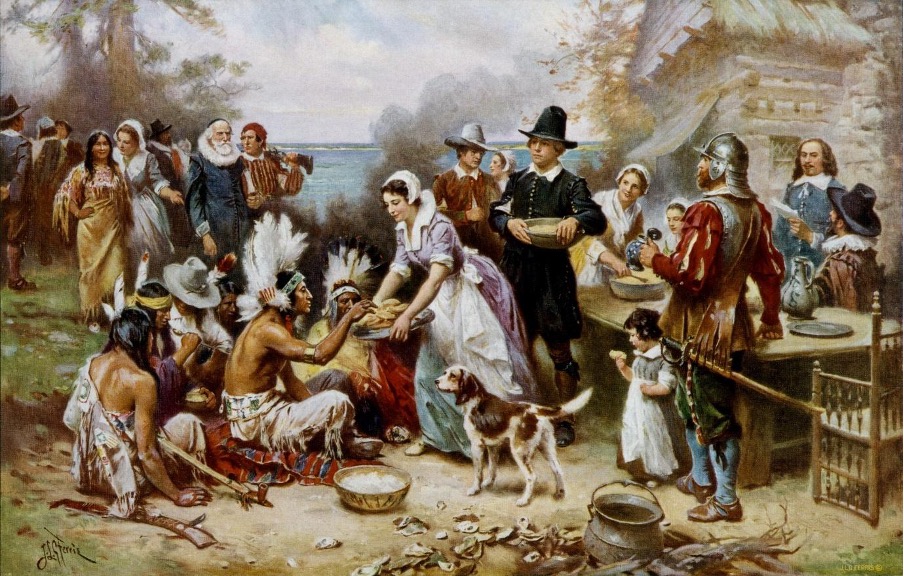
For many Native Americans today, Thanksgiving isn’t a celebration at all, but a day of mourning and genocide remembrance, often renamed “Thanks-taking.”
And yet, on Thursday, modern families will gather, invade each other’s space, argue, spread flu to one another, and reignite long-standing tensions. In that sense, not an awful lot has changed in 400 years.
But Black Friday? That has changed — radically.
From Hunger Games to Hashtags
For well over 60 years, this has been the unofficial kick-off to the Christmas retail shopping season. Originally the term was coined in Philadelphia, to describe the vehicle and pedestrian crowds swarming the streets, all in town for the Army v Navy game and looking for a bargain.
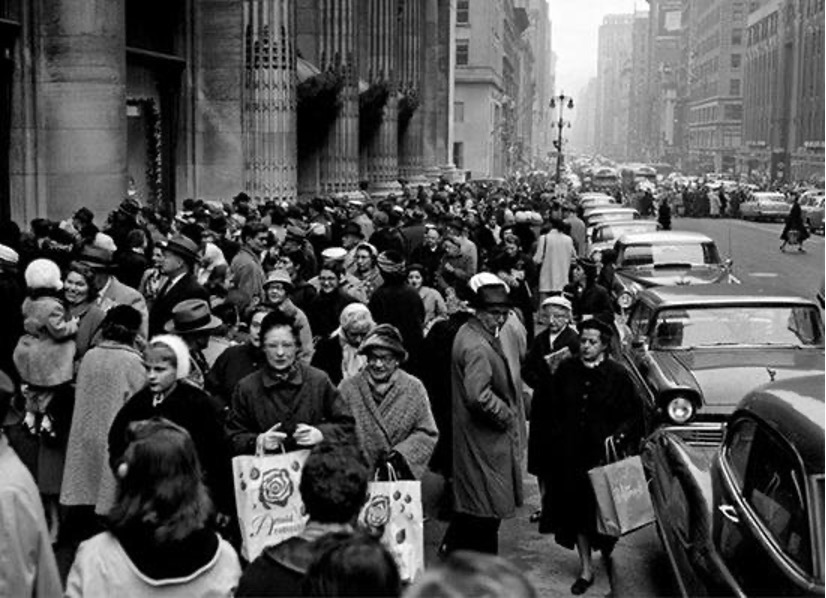
For Boomers, Gen X, and older Millennials, Black Friday meant pre-dawn queues, elbows flying, and doorbuster chaos that often resembled a low-budget Hunger Games reboot. If you need a reminder, watch a few minutes of this 2018 clip:
While still a monumental event for in-store retail, the Black Friday–Cyber Monday (BFCM) weekend has undergone a profound reinvention, its landscape irrevocably reshaped by the preferences and behaviours of Generation Z.
While their global spending power is estimated to hit $12 Trillion by 2030, they are also set to become the most important consumer demographic of our times in terms of how they shape the retail landscape. Gen Z + Gen Alpha already account for 47% of the world’s population. They are not a ‘market demographic’, they are your future.
For brands looking to capture the attention, loyalty, and spending power of this crucial demographic, understanding any evolving trends are not just beneficial, but imperative for survival. Just ask ‘Forever 21’ a retail brand that filed for bankruptcy after failing to adapt fast enough to the digital demands and the new values of the Gen Z shopper.

And to understand the shift, Black Friday offers the perfect microcosm.
1. From One-Day Frenzy to a Month-Long “Cyber Season”
Gen Z has redefined Black Friday itself. For them, it is not a 24-hour event but a rolling “Cyber Season” that stretches across November. Why?
They are always in a deal-hunting mindset.

Raised through economic turbulence, Gen Z is inherently price conscious. Add constant digital access, live price comparisons, and promotional noise on TikTok and Instagram, and you get a generation primed for ‘always-on’ bargain-scouting.
They know that retailers begin their holiday promotions weeks in advance, often as early as October or early November. Remember, as ‘always-on’ consumers, they have been exposed to the noise on their socials for weeks.
Adjusting for inflation, they also have less disposable income than Millennials did at their age. So, they wait, watch, compare, and plan.

Due to a savvier approach to pricing, this pre-shopping anticipation transforms the BFCM weekend from a frantic sprint (which may lead to more impulsive ‘sales’ behaviours) into a much more calculated marathon. It is also why the Buy-Now-Pay-Later (BNPL) in-app models are gaining traction, and why Gen Z are their fastest growing users.
Brands must recognize that for Gen Z, the thrill isn’t solely in the purchase on a specific day, but more in the search, anticipation, intelligent identification, and subsequent acquisition of value over that sustained period. To put it simply, the journey is as enjoyable as the destination.
For marketing campaigns, this means sustained, relevant promotional strategies are more effective than a single-day flash sale. Gen Z are less likely to be caught up in the sales chaos just for the sake of it (although, to be fair, they do suffer from FOMO more than any other generation).
2. Digital Dominance: The Mobile-First Black Friday
As Digital Natives, we already know that this is the generation that has never known a world without the internet or smartphones. Their shopping journey is fundamentally digital-first and mobile-centric.
In 2019, the share of online and in-store for BFCM weekend sales was 60/40, still in favour of physical retail.
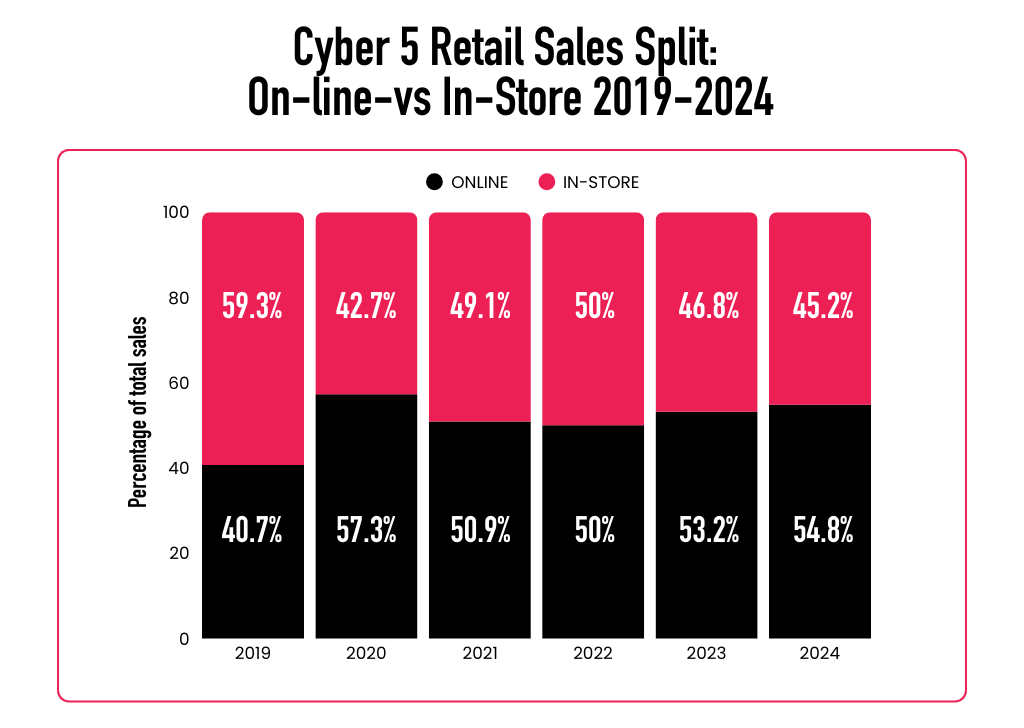
While the 2020 Covid-surge in online shopping was understandable, it also marked a tipping point. Today, online sales lead, and by 2025 we are likely to see the same 60/40 split as before, just reversed. Digital now dominates.
While older demographics often use e-commerce for convenience in shopping, Gen Z lives on their devices. This is a huge differentiator.
Every step, from product discovery and price comparison to review reading and final purchase, is seamlessly integrated into their mobile experience.
Looking at the 2024 Black Friday data, 80% of total eCommerce traffic originated via mobile. That trend was mainly driven by the Gen Z shopper (90% for Gen Z v 58% for Gen X).
Social media platforms, particularly TikTok and Instagram, are not just entertaining the next generation but serve as powerful, and for some, their primary retail and discovery channels.
Live-stream shopping events, influencer reviews, and shareable “hauls” are all part of this digital shopping tapestry. Brands need to do a much better job of meeting Gen Z where they are – inspiring and connecting with them on their social feeds and then following up with a one-click frictionless mobile checkout experience.
Interestingly, Cyber Monday is now the peak for digital transactions over the holiday weekend. This reinforces the point that for a generation that prioritizes digital convenience, the final online push of the weekend is still the most impactful – a psychological “last chance” moment that strongly appeals to the digital-first shopper.
Brands need to reflect the hype of in-store deals in the places Gen Z actually spends their time: short-form video, livestreams, social commerce, and frictionless mobile checkout.
3.Scepticism and the Search for Real Value
Gen Z are the most marketing-sceptical generation in modern consumer history.
They grew up drowning in influencer ads, sponsored content, and algorithm-manipulated recommendations. Trust me, they can spot inflated discounts a mile off.
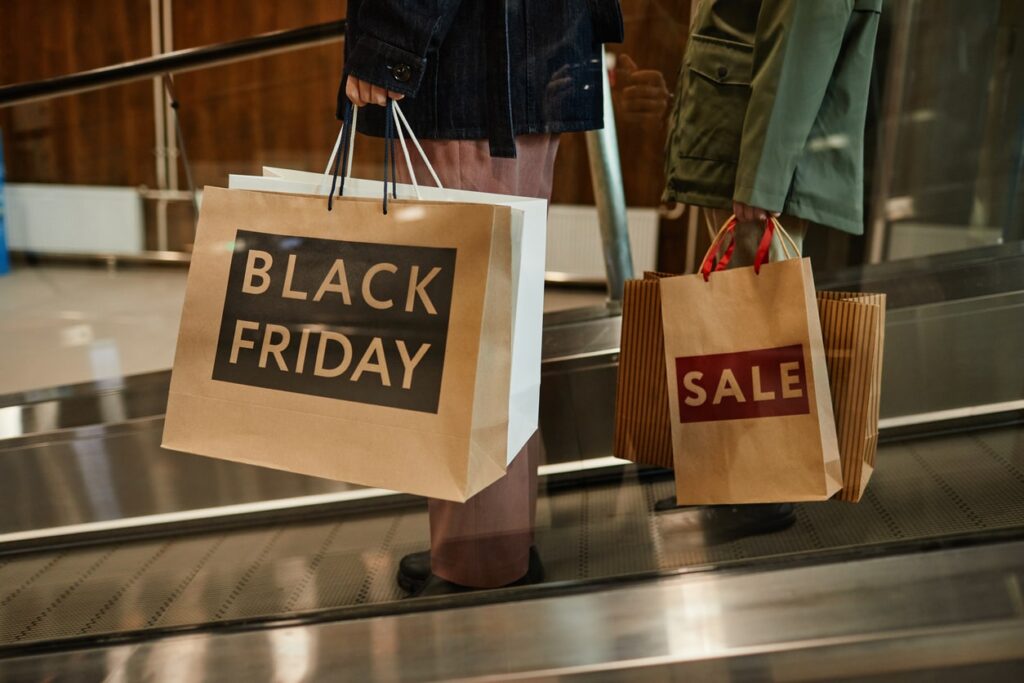
There is a ‘discount distrust’ evident with Gen Z around Black Friday, a scepticism that Black Friday deals are not genuine, often believing that retailers simply inflate prices beforehand to show exaggerated discounts. Their suspicions are validated by 2024 research conducted by consumer group Which? in the UK. Their study showed that 9 out of 10 Black Friday offers are cheaper or the same price at other times of the year.
This is more apparent for Gen Z, as it is this shopper demographic that are more likely to keep online wish lists and saved baskets throughout the year, one of the rewards of always swiping and being in shopping mode. They can see your ‘deal’ is no lower than the usual retail price 4 weeks or 4 months ago.
They are far more sceptical about big discount claims. They are therefore less driven by the hype and frenzy of a discount and more by clear value, transparency, and brand authenticity. A strong deal is only valuable if it’s on a product from a brand they trust.
4. Values-Driven Consumption
Much more than previous generations, Gen Z’s purchasing decisions are intertwined with their personal values.
Sustainability, ethical sourcing, diversity, and social responsibility are not just buzzwords for these shoppers; they are often critical considerations.
A brand’s stance on these issues can sometimes sway a Gen Z shopper more than any significant discount. During the BFCM period, bombarding them with yellow and red mark-down imagery, without aligning with their values, is one-dimensional marketing and rings hollow.
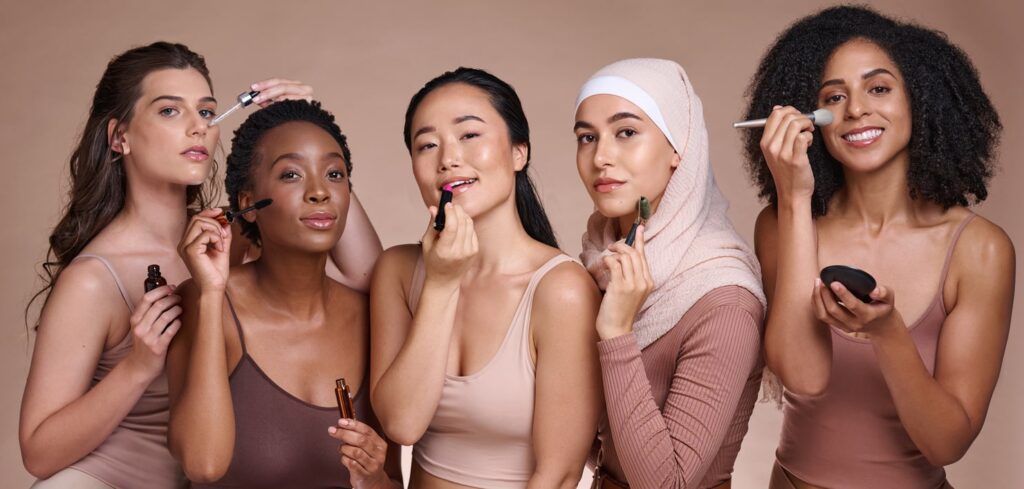
Brands that genuinely embed relevant values into their products, operations, and messaging will resonate more deeply.
Gen Z are also more likely to prioritize sustainable practices and look at refurbished or second-hand items (especially tech) as an investment in both value and their values, further diversifying their focus away from just new Black Friday deals.
The focus on the commercial, capitalist holiday and ‘the need for more’ may be fraying at the seams for this sustainability aware next generation of shoppers.
5. The Rise of the “Phygital” Shopper
While online is dominant, Gen Z have not abandoned physical stores. They simply expect them to serve a different role.
They appreciate the ability to “Buy Online, Pick Up In-Store” (BOPIS) for convenience and speed. They also visit stores for experiential reasons — to see and touch products, to socialize, or for a sense of community. Few want to endure chaotic sales.
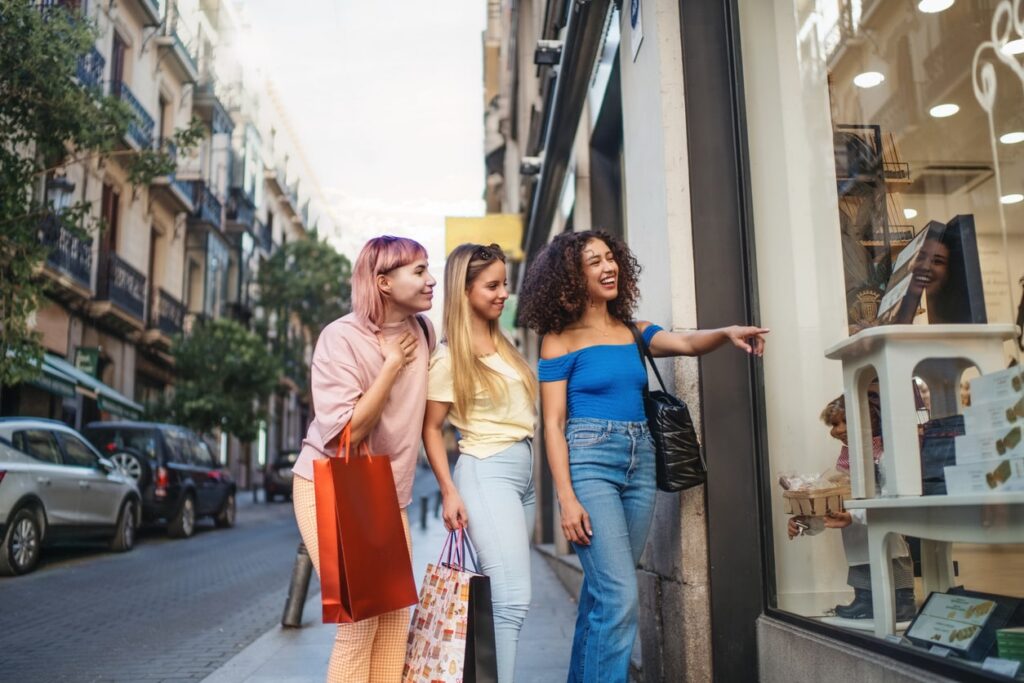
The ideal experience is “phygital,” seamlessly blending online and offline touchpoints.
Brands with a physical presence should leverage it for convenience and experiential value, complementing their robust online strategy and not expecting the store to be the start-point. Today, for many Gen Z shoppers, the store is either a convenient pick-up point, or an experiential showroom.
What Brands Must Do: The Gen Z Playbook for Black Friday and Beyond
While it is too late this year to alter 2025 BFCM weekend strategy, the learnings are transferable to the retail model overall relating to effectively engaging your Gen Z shopper.
- Embrace the “Cyber Season” with a Layered Strategy: Ditch the idea of a single-day push. Plan a tiered promotional calendar that starts weeks before Thanksgiving, offering exclusive early bird access, flash sales, values-based communication and loyalty rewards. Build anticipation gradually.
- Optimize for Mobile and Social Commerce: Invest heavily in a flawless mobile shopping experience, from responsive websites to intuitive app interfaces. Integrate directly with social commerce features on platforms like TikTok Shop and Instagram Shopping. Create engaging, short-form video content that showcases products and deals authentically. Do not focus solely on price. Ensure any ‘deals’ still align with their values and your brand.
- Prioritize Transparency and Authenticity: Be upfront about your discounts. Avoid artificial price inflation. Highlight the true value proposition beyond just the markdown. Share your brand’s story, values, and commitment to ethical practices. Prepare for Gen Z scrutiny.
- Leverage User-Generated Content (UGC): Gen Z trusts peers more than polished brand advertising. Encourage and amplify user-generated content, reviews, and unboxing videos. This provides the social proof and authenticity that drives their purchasing decisions.
- Create Experiential and Community Value: If you have physical stores, transform them into discovery hubs or convenient pick-up points. Offer exclusive in-store events that provide value beyond just transactions. Curate in-store and online communities where Gen Z can engage with your brand and each other. Stores are not just for discount deals.
- Offer Flexible Payment Options: Services like “Buy Now, Pay Later” (BNPL) are highly appealing to Gen Z, who often have tighter budgets and prefer managing their cash flow. Integrating these options at checkout can significantly reduce cart abandonment.
- Personalize the Journey: Utilize data to offer personalized recommendations and targeted promotions. Gen Z expects brands to understand their unique preferences and deliver relevant experiences across all touchpoints. Commodity discounting is lazy 1990s retail.
The Black Friday-Cyber Monday weekend remains a retail powerhouse, but its future, and indeed its present, is being rewritten by Gen Z.
This generation’s digital fluency, value-driven mindset, and demand for authenticity compel brands to move beyond traditional discount tactics. Success no longer hinges on the biggest deal, but on a strategic, personalized, value-rich, and seamless “phygital” experience that resonates with a generation that expects brands to be transparent, responsible, and digitally ahead.

Brands that embrace these shifts will not only thrive during the holiday season but will forge lasting connections with the consumers of tomorrow.
While the Native Americans might not have had much to be thankful for 400 years ago, the Digital Natives of today yield all the power and dictate retails’ future.
Think about that as you have your second slice of pumpkin pie. And be thankful that you are not in this queue outside of Urban Outfitters or Target this holiday (jump to the 2-minute mark to watch the shutters go up on the 1st video)