There have been many iconic Superbowl halftime shows.
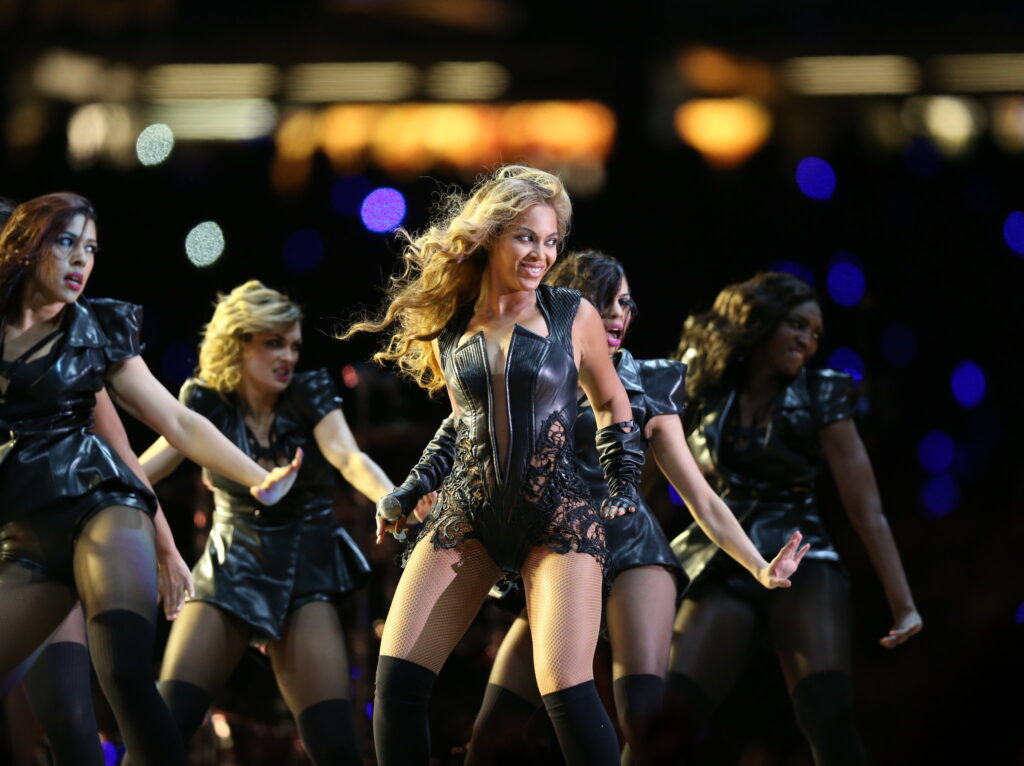
From Michael Jackson’s high-octane set in 1993, Prince’s rain-soaked guitar solo in 2007, to Beyoncé’s surprise Destiny’s Child reunion in 2013, the halftime show has always been a spectacle. But 2026 was more of a cultural earthquake.
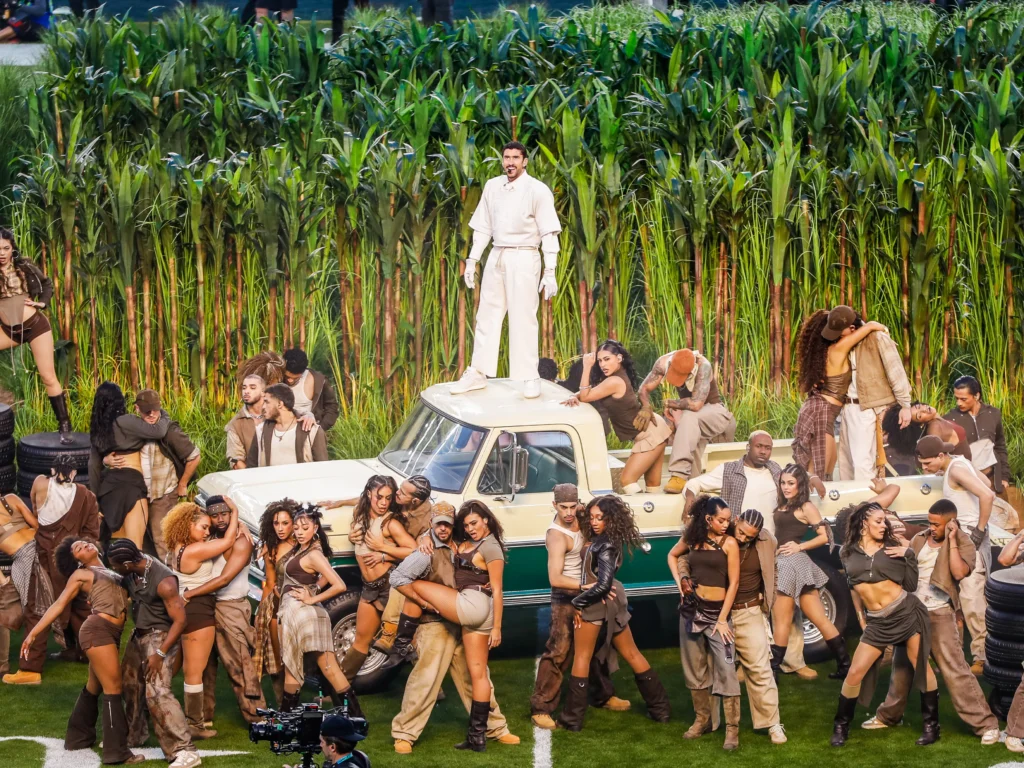
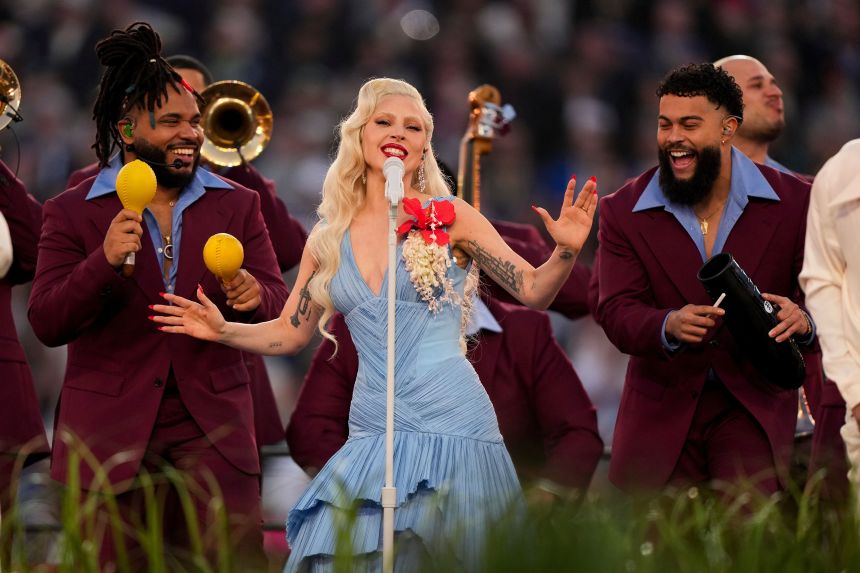
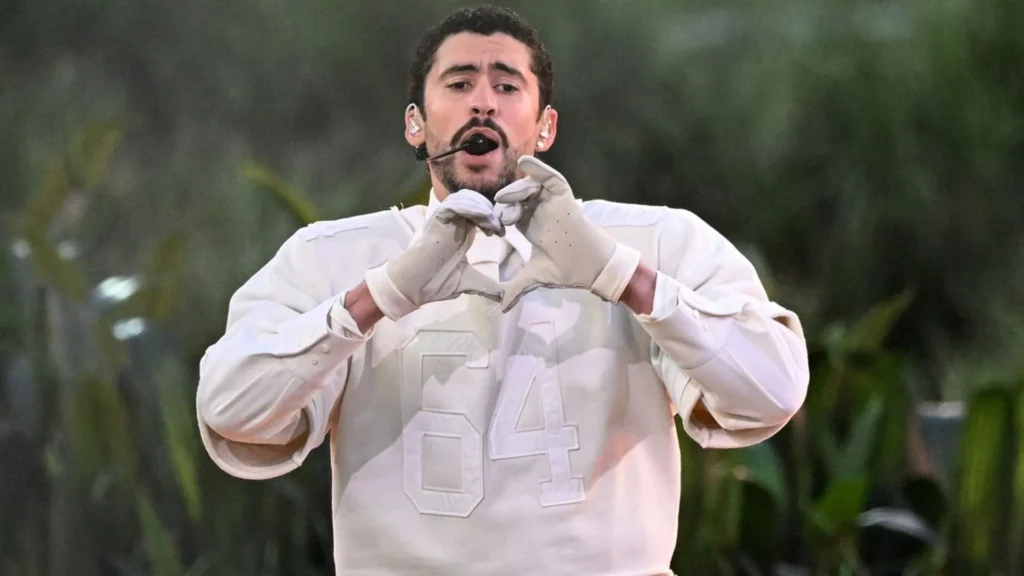
When Bad Bunny stepped onto the Super Bowl stage this year, it wasn’t just a performance. It was a declaration. Spanish lyrics. Caribbean rhythm. A Puerto Rican flag draped proudly. No translation. No dilution. No subtitles.
For many viewers, it was simply entertainment. But for many others, it was something far deeper. It was affirmation. It was identity.
And identity is one of the most powerful forces in human behaviour.
Identity Is Not a Demographic. It is a Psychological Anchor
We often talk about our “target audience” as if they are data points. We map them by age, gender, income or geography. But humans don’t wake up thinking, “As a 34-year-old black woman of American origin, in the C2 income bracket, I shall now consume.”
They wake up thinking ‘Who am I? Where do I belong? Who sees and values me?’
Psychologists call this Social Identity Theory, a concept pioneered by the work of Henri Tajfel and John Turner. The core idea is simple. We define ourselves not just as individuals, but as members of a group. Nationality. Language. Musical taste. Subcultures. Political tribes. Fandom. It is clearly visible in any high school in the way people express their identity to fit into specific social tribes.
And belonging is not a ‘nice to have.’ It is neurological. We are talking ‘core need’.
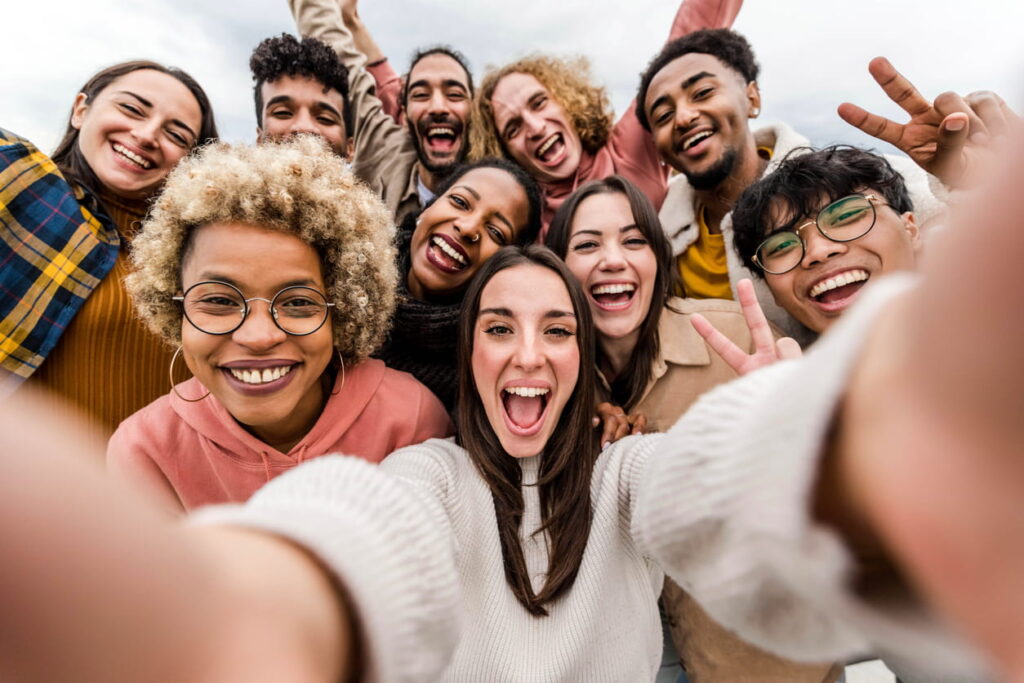
Research consistently shows that social belonging activates the brain’s reward systems, while Eisenberger’s work at UCLA demonstrated that social exclusion literally lights up the anterior cingulate cortex, the same area involved in physical pain and distress.
We are meant to seek belonging, and we are hard wired to protect identity. Which is why that halftime show mattered to millions.
The Super Bowl as a Cultural Mirror
Obviously, the Super Bowl halftime stage has always been more than music.
When Beyoncé performed again in 2016, this time as Coldplay’s special guest, her Black Panther symbolism sparked a national conversation. In 2022, when Dr. Dre, Snoop Dogg, and Eminem headlined, it was West Coast hip-hop reclaiming centre stage. And in 2023, when Rihanna performed while visibly pregnant, it became a cultural moment about power and motherhood.
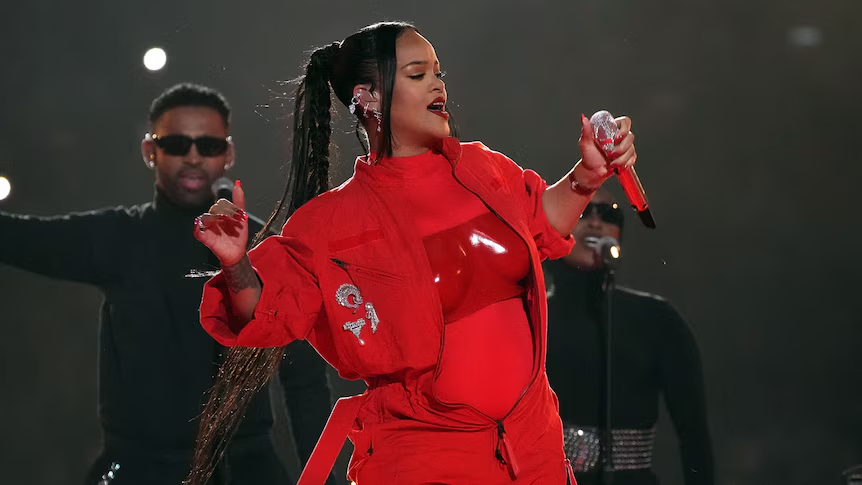
This isn’t the first time the Superbowl halftime show is America looking at itself in HD.
But this year it was bilingual. Bicultural, and unapologetically Latino. For millions of viewers, particularly Hispanic and Latino communities, this wasn’t just about representation. It was recognition. It was their Identity and belonging affirmed. And when identity is affirmed, loyalty follows.
Identity Is a Consumption Driver
But belonging doesn’t just influence feelings. It also influences spending.
Consumer research has long shown that people choose brands that reinforce their self-concept. Russell Belk’s work on the ‘Extended Self’ suggested that possessions become part of who we are. We don’t just wear brands. We become them.
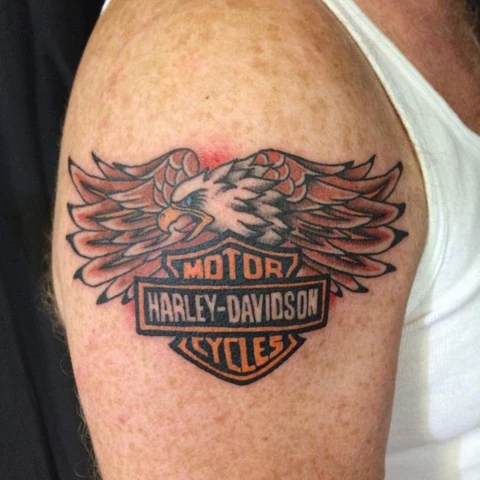
This is why people tattoo Harley Davidson or Red Bull logos on their bodies. Why they queue overnight for special edition sneakers or the new iPhone release. It is why they vehemently defend their brands online, from Swifties to football teams.
It is not about product utility. It is all about identity signalling.
When someone buys a Patagonia jacket, they’re not just buying warmth. They’re buying environmental consciousness. When someone wears Nike, they’re buying aspiration and athletic identity. When someone chooses to drive a Porche, they are signalling status alongside ‘passion, precision and performance’.
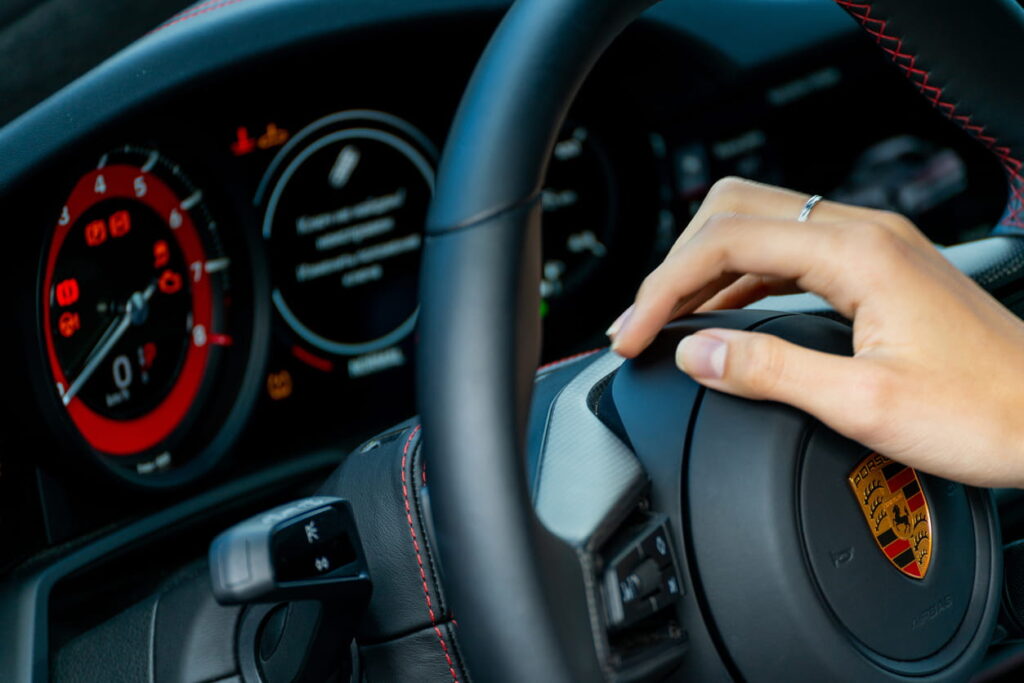
More simply, products are the props in the theatre of the self.
Bad Bunny’s performance was a masterclass in identity ownership. He didn’t morph his values or music to ‘fit’. He didn’t adapt himself to the Super Bowl. He adapted the Super Bowl stage to his messaging and music.
That inversion matters.
Belonging Is a Biological Reward
Here’s where it gets more interesting for brand and business owners.
A sense of belonging triggers dopamine and oxytocin. Dopamine fuels motivation and reward anticipation. And oxytocin strengthens social bonding and trust. Seeing the footage of Latino communities watching the halftime show in their homes or collective spaces is truly moving. Their tears of joy in having their national identity called out, celebrated, and included is evidence of those emotional and hormonal releases.

When consumers feel ‘this brand gets me’ they experience that same subtle biochemical and hormonal shift toward loyalty.
It is why fandom is so sticky. It is why sports teams can sometimes survive decades of losses. It is why Swifties celebrate and defend Taylor Swift like family. Fandom is the foundation on which we build brand belonging.
And belonging isn’t rational. It is visceral.
That halftime show didn’t just entertain. It strengthened group identity. It made millions feel seen and valued on one of the world’s largest stages. And brands watching closely will understand the implication therein.
If your product doesn’t connect to identity, you are then really only left competing on price.
Context Matters
I wrote a piece last September about contextual marketing.
The main point is that the brands that move fastest in social and cultural moments win disproportionate attention with consumers. Within minutes of the halftime show ending, social feeds exploded. Meme culture did what meme culture does best.
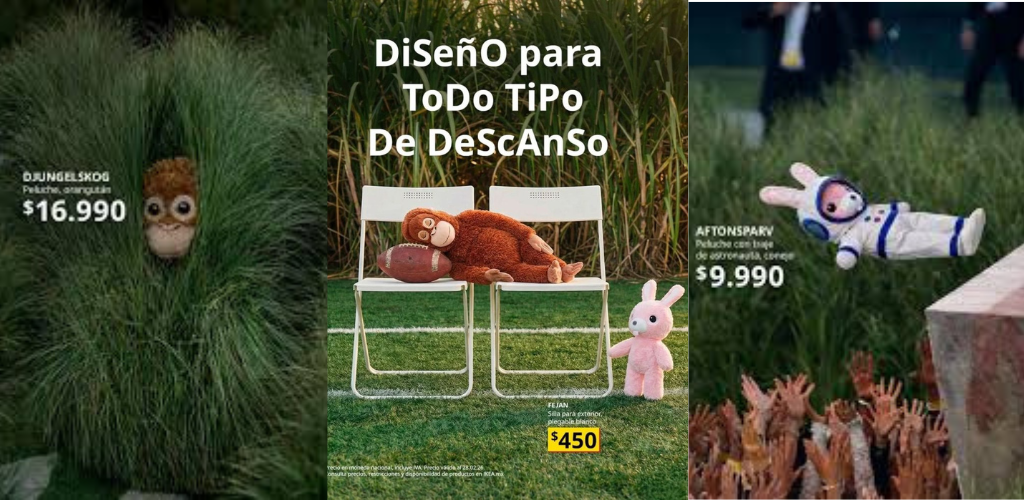
IKEA quickly released a series of memes incorporating their products. TikTok and Instagram exploded with Latino employees hilariously recreating his performance in their hospitals, warehouses and even on virtual team meetings.
It is all about being fast, being ‘inside’ the cultural moment, not commentating on it weeks afterwards (he writes, doing exactly that). When key social moments hit, winning brands use them as cultural scaffolding. They borrow the energy of the moment and translate it into customer connection relevance.

But do it late, and you look desperate. Do it wrong, and you look opportunistic. But do it well, and you look like you belong in the conversation.
Identity marketing requires agility.
Identity Is Not About Trends. It is About Truth.
However, brands sometimes mistake identity for aesthetics.
They slap on cultural references without understanding the underlying community. That’s how you get tokenism. That’s how you get backlash. We all remember the Pepsi/Kendall Jenner disaster around their attempt to ‘borrow’ the aesthetic of the Black Lives Matter movement to sell more soda.
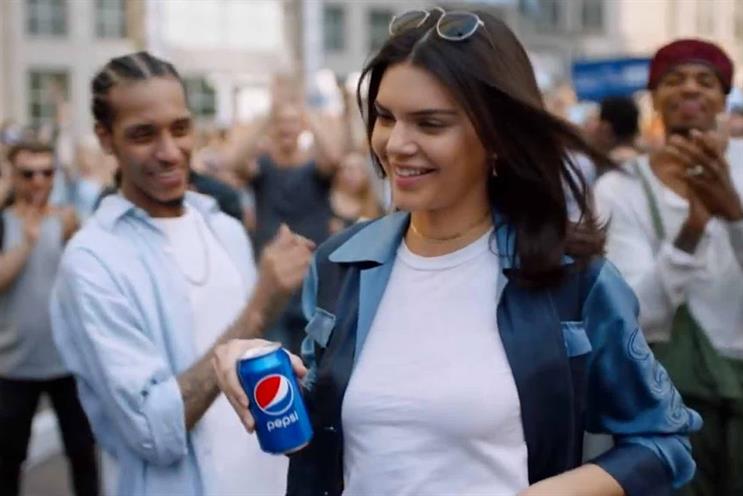
Consumers can smell your capitalist inauthenticity instantly.
The difference between community-building and cultural appropriation is to be found in authentic commitment.
Look at the Colin Kaepernick / Nike case. In 2016, the NFL quarterback effectively ended his football career with his decision to kneel during the national anthem, his personal and public protest against police brutality. He was then perceived as a “radioactive” figure in the NFL, never signed by another team.
Not only did Nike not drop him, but they also made him the face of their 30th anniversary ‘Just Do It’ campaign with the slogan “Believe in something. Even if it means sacrificing everything”.
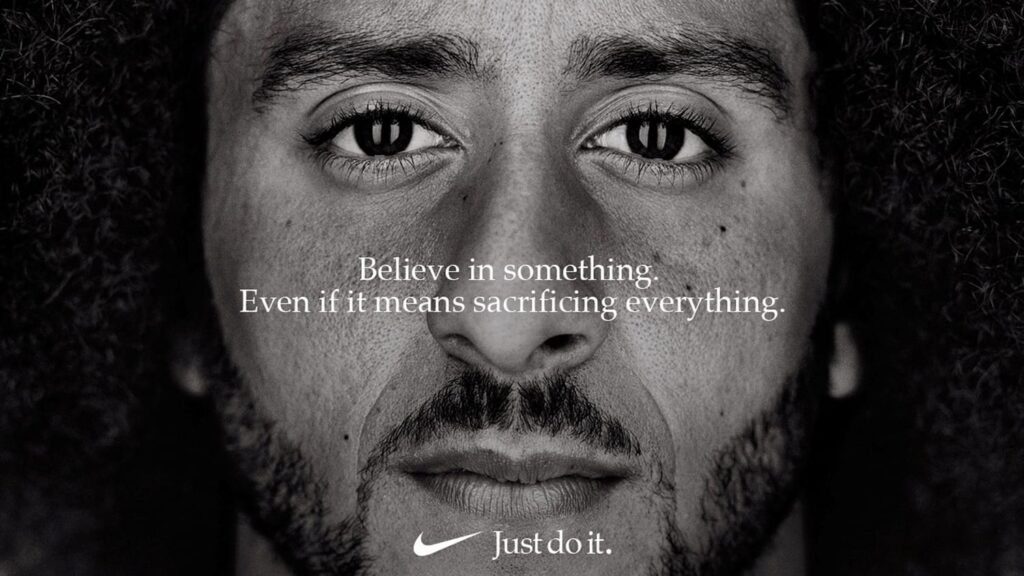
That campaign was hugely divisive, resulting in a #BoycottNike movement, and many angry consumers burning their Nike sneakers online. At the same time, appealing to the Gen Z and Millennial identity-led consumer, sales grew by +30% immediately following the campaign, adding roughly $6 billion to their market value.
Nike’s support of Kaepernick wasn’t a one-off tweet capitalising on a moment of cultural significance. It was embedded into their long-term brand positioning. It was commitment.
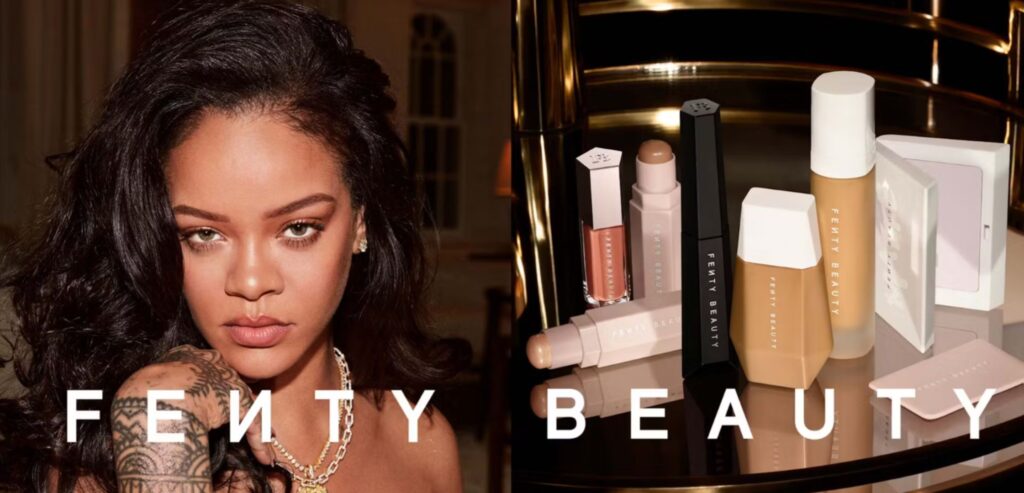
Rhianna did it with her Fenty Beauty make-up. Traditionally, foundation brands launched with a bell-curve range, many shades for fair-to-medium skin tones and only 2-3 for darker skin. Rhianna launched 40 shades, focusing on the nuance and tone of all skin colours. Her launch even termed a new term in marketing – The Fenty Effect, the moment a brand steps beyond tokenism and toward genuine representation.
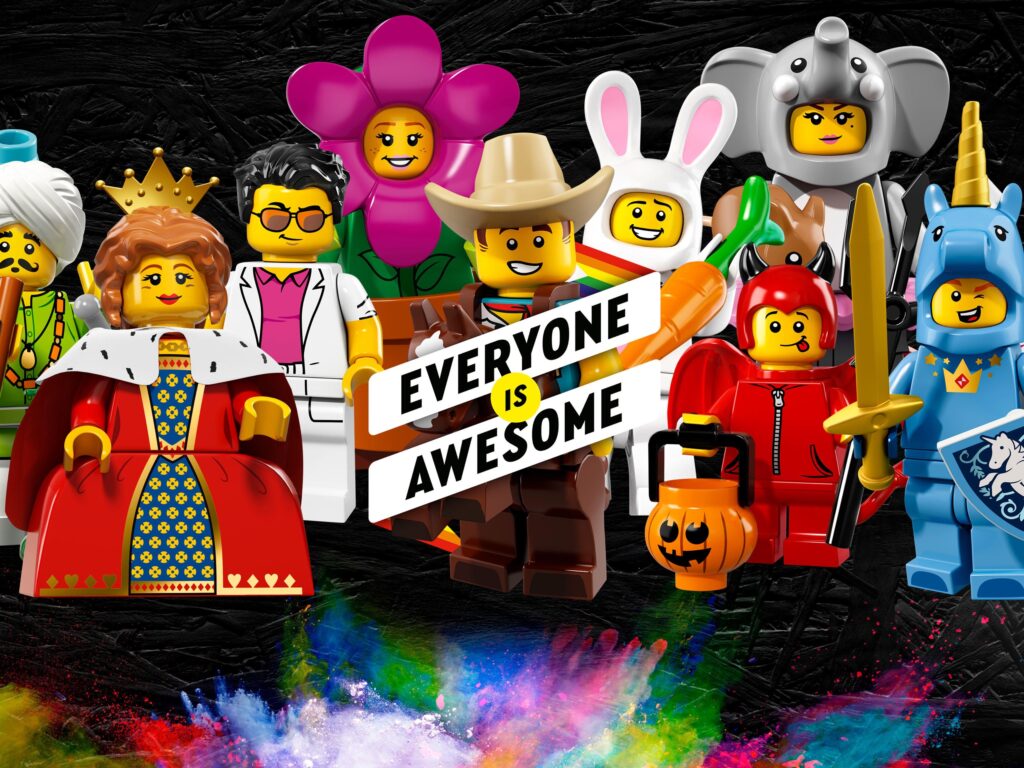
Both Mattel and LEGO now have products that celebrate physical diversity. Barbie now comes in several different body shapes and heights, in a wheelchair, or with a cane. In 2023 LEGO overhauled their Friends universe to include mini figures with diverse skin tones and characters born with a limb difference.
This is the ‘mirror effect’. By ensuring a child can see themselves in a plastic figure, both Mattel and LEGO are fostering a sense of belonging. If the figure ‘looks like me,’ then the world the child plays in or builds “belongs to me.”
For savvy brands, identity isn’t a campaign. It is a product philosophy they invest in year-round.
Products as Conduits of Belonging
So, what does this mean for brands heading into 2026?
There are probably three strategic imperatives:
1. Build Identity Before You Sell
The strongest brands don’t lead with product. They lead with a shared worldview.
Harley-Davidson sells rebellion. Lululemon sells mindful performance. Glossier sells tribal belonging for its digital-native beauty community.
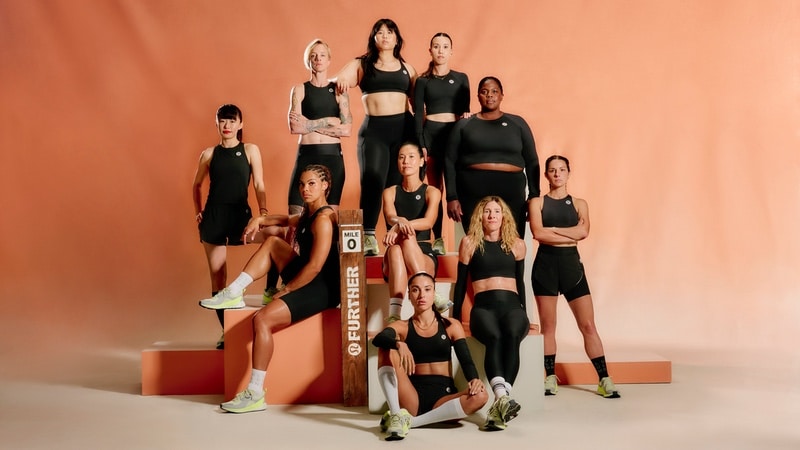
These brands all create that tribe first. The transactions and profits then follow.
If your brand cannot articulate the identity it enables, you have a positioning problem.
2.Design for Community, Not Just Conversion
Belonging requires interaction.
It might be live events or digital forums. It is about harnessing user-generated content and co-creation. Belonging is not product-led, it is community-led.
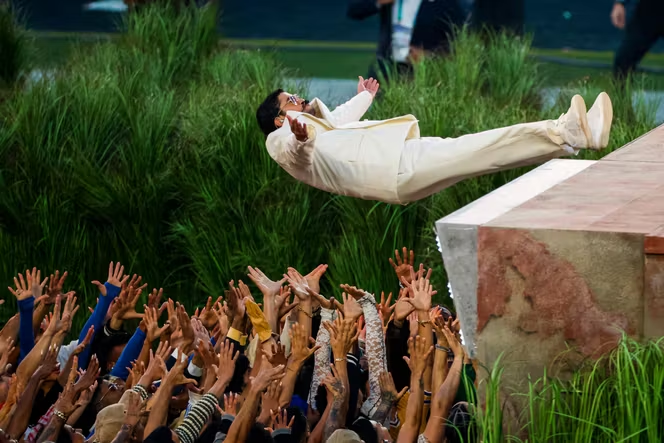
Airbnb built host communities. Peloton built instructor-led belonging. The product becomes a conduit and a meeting point, shared social inclusion. Bad Bunny’s halftime show wasn’t just watched. It was shared. Debated. Meme-d. Claimed.
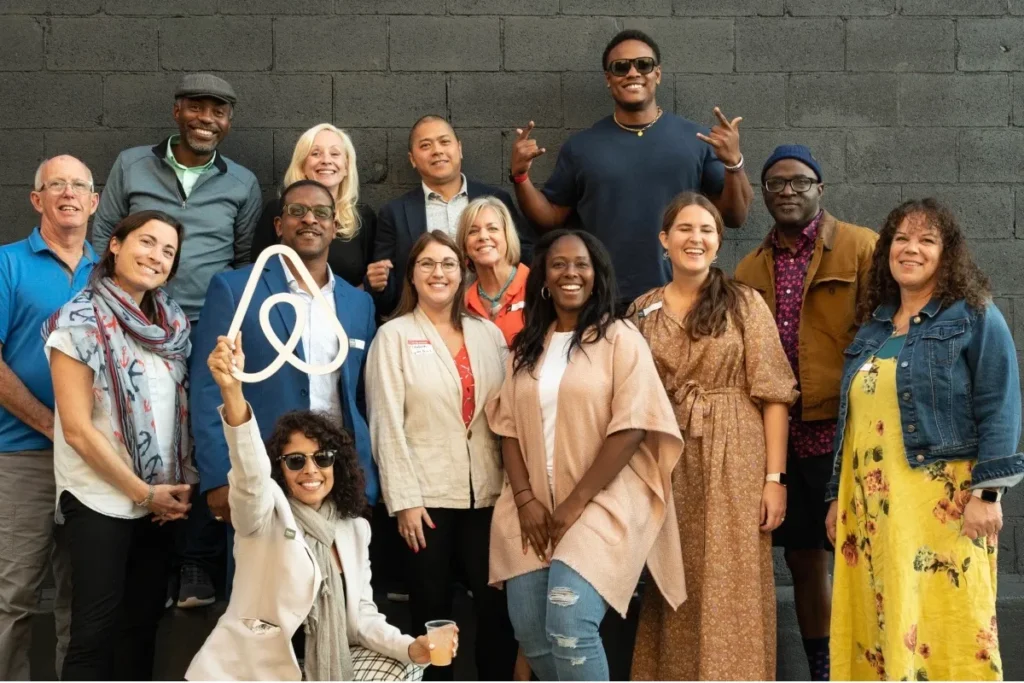
Your product should facilitate social signalling. Make it shareable. Make it expressive.
3.Use Cultural Moments as Amplifiers
The Super Bowl halftime show is a megaphone. Brands smart enough to tie into it, without hijacking it, gain contextual lift.
Interestingly, despite brands knowing Bad Bunny was performing months ahead, few leveraged his appearance before the event. Only the make-up brand e.l.f. and Duolingo had designed Super Bowl campaigns in advance, acknowledging the Spanish narrative.
You cannot prepare for identity marketing the week of the event. You prepare by building brand meaning consistently. Then when the moment hits, you amplify.
Identity marketing is not reactive. It’s cumulative.
Why This Particularly Matters Now
We are entering a psychologically fragmented era. Political division. Economic anxiety. AI-driven uncertainty.
In unstable environments, people cling tighter to identity groups. Research in behavioural economics shows that under threat, in-group affiliation strengthens.
Belonging becomes protection. Which means brands that provide that identity clarity will outperform those that simply provide functional value.
The halftime show was more than entertainment. It was cultural reassurance. And reassurance builds loyalty.
The most powerful brands in the next decade will not be the fastest. They will not be the cheapest and they will not even be the most technologically advanced.
They will be the ones that answer the deeper human question Who am I when I choose you?
Because when consumers see themselves reflected in your brand, they don’t just buy, they belong. And belonging is the strongest retention strategy you will ever have.
Right. I’m off to practice my Spanish and convince myself I can pull off those dance moves.
Identity crisis pending.