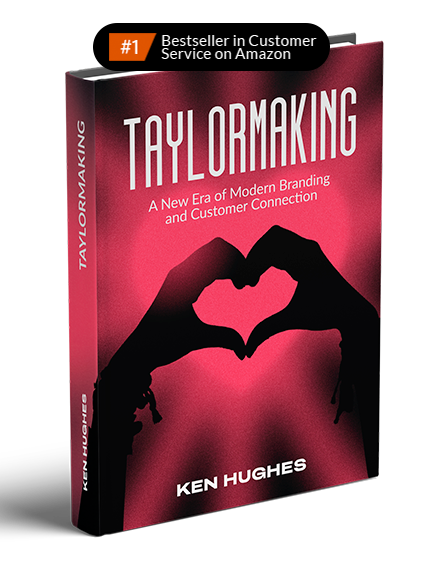

Customer Experience (CX) isn’t just a verb (an action) or a noun (a touchpoint along the journey). Great CX should be an emotional adjective — a feeling.
Too often, brands misinterpret what CX truly is, treating it as a function, a checklist, or a series of measurable moments. They define it with KPIs and NPS scores. But that’s an organisational perspective.
From the consumer’s view, CX isn’t a thing. It’s an emotion. A feeling. A moment of intimacy.
Connection is at the heart of what it means to be human — connection with others, with ourselves. We are social beings, wired to belong and to be seen. Without meaningful connection we can quickly lose our sense of self and purpose.
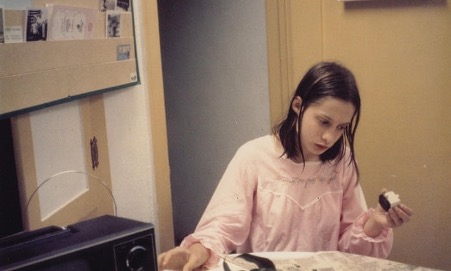 Genie Wiley was a young girl who had spent her first 13 years locked in a room, tied to a chair, beaten if she made a sound, and denied almost all human contact by her abusive father. When she was discovered in LA in 1970, she had little ability to speak or socialise and she never recovered the ability to form relationships, spending her life in state institutions. Doctors described her as the most profoundly damaged child they had ever seen. For more detail on this fascinating but now generally forgotten case, click here.
In 1992, Christopher McCandless turned his back on humanity and material possessions to live alone in the Alaskan wilderness. His real-life story is beautifully portrayed in the 2007 movie Into the Wild, but his tragic and final journal entry highlights the consequences of extreme disconnection ‘Happiness is only real when shared’
Genie Wiley was a young girl who had spent her first 13 years locked in a room, tied to a chair, beaten if she made a sound, and denied almost all human contact by her abusive father. When she was discovered in LA in 1970, she had little ability to speak or socialise and she never recovered the ability to form relationships, spending her life in state institutions. Doctors described her as the most profoundly damaged child they had ever seen. For more detail on this fascinating but now generally forgotten case, click here.
In 1992, Christopher McCandless turned his back on humanity and material possessions to live alone in the Alaskan wilderness. His real-life story is beautifully portrayed in the 2007 movie Into the Wild, but his tragic and final journal entry highlights the consequences of extreme disconnection ‘Happiness is only real when shared’
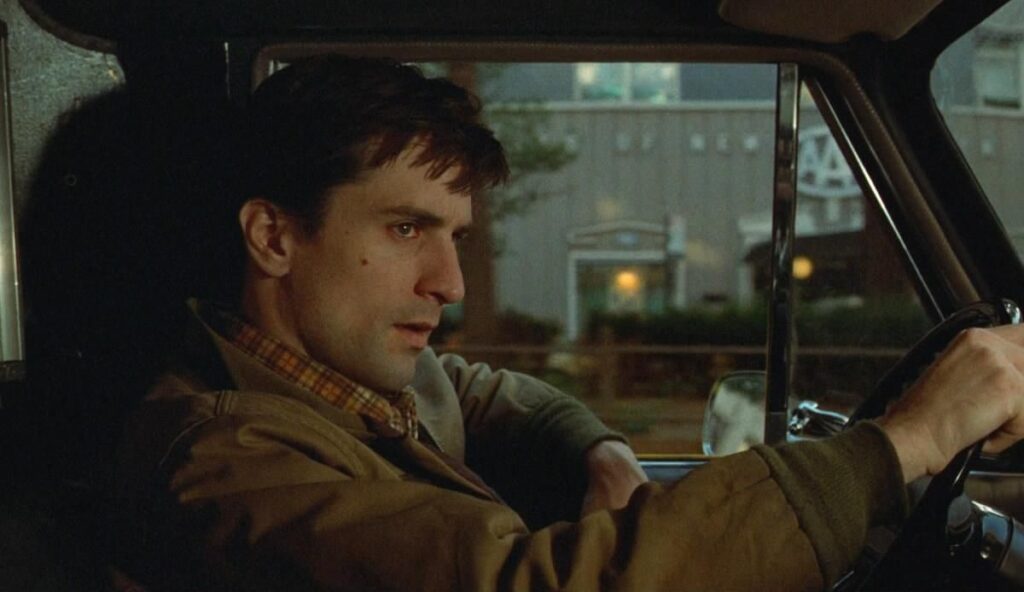 Or consider Travis Bickle, the character played by Robert De Niro in the 1976 classic Taxi Driver, who becomes isolated from society and disconnected from meaningful relationship. As he is consumed by loneliness, he spirals into paranoia, delusion and violence.
As humans, we need connection, without it we unravel. And brands are no different.
Or consider Travis Bickle, the character played by Robert De Niro in the 1976 classic Taxi Driver, who becomes isolated from society and disconnected from meaningful relationship. As he is consumed by loneliness, he spirals into paranoia, delusion and violence.
As humans, we need connection, without it we unravel. And brands are no different.
 In his book ‘The Good Life’, professor Waldinger outlines the findings of the longest longitudinal study of human happiness ever undertaken. Studying the same research subjects over an 80-year period, the research question is simple – what is it that makes humans happy?
It turns out it is not wealth, career trajectory, or even health. It is your relationships, particularly the quality of the relationships you foster. Connection. The more connected you feel to those around you, the happier you will be.
In his book ‘The Good Life’, professor Waldinger outlines the findings of the longest longitudinal study of human happiness ever undertaken. Studying the same research subjects over an 80-year period, the research question is simple – what is it that makes humans happy?
It turns out it is not wealth, career trajectory, or even health. It is your relationships, particularly the quality of the relationships you foster. Connection. The more connected you feel to those around you, the happier you will be.
 And again, it is no different for brands.
Disappointingly most brands do not seek to connect with their customers in any significant way beyond the capitalist ideal. If it was a romantic relationship, they are hoping to achieve long-term intimacy through a series of ‘no-strings attached’ hook-ups – possible, but highly unlikely or sustainable.
And again, it is no different for brands.
Disappointingly most brands do not seek to connect with their customers in any significant way beyond the capitalist ideal. If it was a romantic relationship, they are hoping to achieve long-term intimacy through a series of ‘no-strings attached’ hook-ups – possible, but highly unlikely or sustainable.
 There are four types of attachment styles – secure, avoidant, anxious and disorganised.
Secure Attachment is as it sounds – someone who has high self-worth and is confident in their stable relationships and connections. Insecure attachment, be it anxious, avoidant or disorganised, is the opposite.
Those with an Anxious Attachment style seek their validation from others, tend to people please for attention and worry their partner may abandon them.
Those with Avoidant Attachment styles tend to shut down connections early, as soon as there is a suggestion of vulnerability or connection. They avoid intimacy.
Those with Disorganised Attachment want connection, but fear getting hurt and have difficulty trusting.
There are four types of attachment styles – secure, avoidant, anxious and disorganised.
Secure Attachment is as it sounds – someone who has high self-worth and is confident in their stable relationships and connections. Insecure attachment, be it anxious, avoidant or disorganised, is the opposite.
Those with an Anxious Attachment style seek their validation from others, tend to people please for attention and worry their partner may abandon them.
Those with Avoidant Attachment styles tend to shut down connections early, as soon as there is a suggestion of vulnerability or connection. They avoid intimacy.
Those with Disorganised Attachment want connection, but fear getting hurt and have difficulty trusting.
 Most brands I find are avoidant or disorganised in their attachment styles with customers.
They claim to want a relationship but do not seem capable of stepping-in. As a customer, they want your business, your loyalty, but do not show any authentic or actionable signs of long-term relationship intent. And don’t get me started on loyalty programmes. Actually, no do.
Most brands I find are avoidant or disorganised in their attachment styles with customers.
They claim to want a relationship but do not seem capable of stepping-in. As a customer, they want your business, your loyalty, but do not show any authentic or actionable signs of long-term relationship intent. And don’t get me started on loyalty programmes. Actually, no do.
 ‘Buy 9 coffees, get your 10th coffee free’. This does not foster emotive loyalty or relationship, it simply encourages transactional loyalty, forced frequency. It is an attempt at locking in a customer in case they were ‘tempted by the fruits of another’. In romantic terms, this is like your date holding out a rag toward your face and saying, ‘does this smell like chloroform to you’?
It is entrapment, a commercial kidnapping. Brands are hoping for Stockholm syndrome, that over time the customer will forget they are being held against their will, and a relationship will form.
The parasitic element is the data. Again, most loyalty programmes do not have authentic relationship at their core, they have harvested data. The purpose of the data is to then upsell or leverage the insight for commercial gain. It is like knowing something about your partner, and then using that against them, another toxic trait. That’s not emotional intelligence – it’s manipulation.
So, back to the title of this piece, linguistically, loyalty programmes are also misnamed, their focus actually on frequency and transactional retention. If we define loyalty as an emotive state (and not a transactional one), we quickly see that there is little evidence for intimate depth of relationship.
What to do? Become less avoidant.
‘Buy 9 coffees, get your 10th coffee free’. This does not foster emotive loyalty or relationship, it simply encourages transactional loyalty, forced frequency. It is an attempt at locking in a customer in case they were ‘tempted by the fruits of another’. In romantic terms, this is like your date holding out a rag toward your face and saying, ‘does this smell like chloroform to you’?
It is entrapment, a commercial kidnapping. Brands are hoping for Stockholm syndrome, that over time the customer will forget they are being held against their will, and a relationship will form.
The parasitic element is the data. Again, most loyalty programmes do not have authentic relationship at their core, they have harvested data. The purpose of the data is to then upsell or leverage the insight for commercial gain. It is like knowing something about your partner, and then using that against them, another toxic trait. That’s not emotional intelligence – it’s manipulation.
So, back to the title of this piece, linguistically, loyalty programmes are also misnamed, their focus actually on frequency and transactional retention. If we define loyalty as an emotive state (and not a transactional one), we quickly see that there is little evidence for intimate depth of relationship.
What to do? Become less avoidant.
 Being avoidantly attached is a lonely existence, continuously moving on to the next relationship without ever deepening the one you have. Utility and insurance businesses often give attractive special offer deals to new customers, while charging their current customers more. Start with your existing customers and invest in those relationships.
And back to the linguistics, the language of it all. CX should be about how you make someone feel. It isn’t process, it’s passion. It’s not about efficiency, it’s about emotion.
Served with Insight, Stirred with Intention
Let me share a simple Ritz Carlton story with you. I had flown into their Naples, Florida 5-diamond resort in 2023 to perform at a healthcare event. Like many hotels post-pandemic, they were dealing with significant staffing issues. While the resort’s physical assets still gleamed (there was even a Moët & Chandon vending machine in the corridor), the human element — the service — felt closer to three-star. It wasn’t anyone’s fault. Everyone was doing their best. But the service gap was noticeable, especially for a brand where service excellence is the norm.
Being avoidantly attached is a lonely existence, continuously moving on to the next relationship without ever deepening the one you have. Utility and insurance businesses often give attractive special offer deals to new customers, while charging their current customers more. Start with your existing customers and invest in those relationships.
And back to the linguistics, the language of it all. CX should be about how you make someone feel. It isn’t process, it’s passion. It’s not about efficiency, it’s about emotion.
Served with Insight, Stirred with Intention
Let me share a simple Ritz Carlton story with you. I had flown into their Naples, Florida 5-diamond resort in 2023 to perform at a healthcare event. Like many hotels post-pandemic, they were dealing with significant staffing issues. While the resort’s physical assets still gleamed (there was even a Moët & Chandon vending machine in the corridor), the human element — the service — felt closer to three-star. It wasn’t anyone’s fault. Everyone was doing their best. But the service gap was noticeable, especially for a brand where service excellence is the norm.
 Now, let me give you a little cultural context. When Irish people travel somewhere sunny, we take it personally. The sun is not a reliable friend in Ireland. Visiting tourists always say the same thing: “It was so lush and green — and the people were lovely — but it rained a lot.” Of course it rained. That’s why it’s so green.
So, when we find ourselves in the sunshine, you’ll find us poolside, soaking it in like lizards, our milky white skin desperate to tan.
I had two sessions to deliver that day — a 9am keynote and a 1pm workshop — which left me with a glorious two-hour gap in between. After my keynote, I jumped out of my suit, into swimwear, and hit the pool lounger, book in hand, sun on face.
Now, let me give you a little cultural context. When Irish people travel somewhere sunny, we take it personally. The sun is not a reliable friend in Ireland. Visiting tourists always say the same thing: “It was so lush and green — and the people were lovely — but it rained a lot.” Of course it rained. That’s why it’s so green.
So, when we find ourselves in the sunshine, you’ll find us poolside, soaking it in like lizards, our milky white skin desperate to tan.
I had two sessions to deliver that day — a 9am keynote and a 1pm workshop — which left me with a glorious two-hour gap in between. After my keynote, I jumped out of my suit, into swimwear, and hit the pool lounger, book in hand, sun on face.
 Then came a shadow. The pool bar attendant. It was 10:30am, and he was doing his first round, asking if I’d like a cocktail. I laughed, thanked him, and declined — telling him that while a Piña Colada sounded tempting, I was due back on stage shortly. He nodded, said maybe tomorrow then, but I explained that sadly, I was flying back to Ireland that evening.
“You only got here yesterday, right?” he said. I was surprised — he’d remembered a brief interaction from the day before when I’d grabbed a towel. A small moment, but a powerful one. Attention to detail like that always stands out.
We exchanged a few polite words, and he moved on. I went back to my book. Five minutes later, he was back. He placed a drink on the table next to me. “A Piña Colada mocktail, on me. Everyone should enjoy a cocktail in the sun.”
Then came a shadow. The pool bar attendant. It was 10:30am, and he was doing his first round, asking if I’d like a cocktail. I laughed, thanked him, and declined — telling him that while a Piña Colada sounded tempting, I was due back on stage shortly. He nodded, said maybe tomorrow then, but I explained that sadly, I was flying back to Ireland that evening.
“You only got here yesterday, right?” he said. I was surprised — he’d remembered a brief interaction from the day before when I’d grabbed a towel. A small moment, but a powerful one. Attention to detail like that always stands out.
We exchanged a few polite words, and he moved on. I went back to my book. Five minutes later, he was back. He placed a drink on the table next to me. “A Piña Colada mocktail, on me. Everyone should enjoy a cocktail in the sun.”
 He’d remembered the conversation, thought about the moment, and chosen to create a small, intimate moment of emotional connection. It was simple, thoughtful, and cost next to nothing. But that’s what connection often is – acts of service delivered with intention. It made me feel seen, heard and valued. And that’s the point. It made me feel. Good CX is a feeling.
What struck me most was that despite all the other sub-par or neutral staff interactions during that stay — and there were many — this one gesture stood out. It overpowered the rest. That one mocktail reframed the entire experience. I left the Ritz with the exact feeling they strive to create, that every guest is valued.
He’d remembered the conversation, thought about the moment, and chosen to create a small, intimate moment of emotional connection. It was simple, thoughtful, and cost next to nothing. But that’s what connection often is – acts of service delivered with intention. It made me feel seen, heard and valued. And that’s the point. It made me feel. Good CX is a feeling.
What struck me most was that despite all the other sub-par or neutral staff interactions during that stay — and there were many — this one gesture stood out. It overpowered the rest. That one mocktail reframed the entire experience. I left the Ritz with the exact feeling they strive to create, that every guest is valued.
 Audit your CX strategy for emotional impact. Lean into long-term relationship. Become more secure and clear in your Customer Lifetime Value intent. Invest in customer intimacy and empower your employees to create ‘moments that matter’.
Emotional engagement forms bonds of attachment, something every brand seeks. Emotions are felt. CX is something your customers should feel, not experience.
Audit your CX strategy for emotional impact. Lean into long-term relationship. Become more secure and clear in your Customer Lifetime Value intent. Invest in customer intimacy and empower your employees to create ‘moments that matter’.
Emotional engagement forms bonds of attachment, something every brand seeks. Emotions are felt. CX is something your customers should feel, not experience.
Lonely Minds, Frayed Wires
Psychology literature is littered with extreme cases of human disconnection. From the feral Wolf Children of Hesse in the 14th century to the Bear Child of Lithuania in the 17th century, disconnection from other humans stunts the ability to form relationship. And we’ve seen this in modern times too.
Genie Wiley was a young girl who had spent her first 13 years locked in a room, tied to a chair, beaten if she made a sound, and denied almost all human contact by her abusive father. When she was discovered in LA in 1970, she had little ability to speak or socialise and she never recovered the ability to form relationships, spending her life in state institutions. Doctors described her as the most profoundly damaged child they had ever seen. For more detail on this fascinating but now generally forgotten case, click here.
In 1992, Christopher McCandless turned his back on humanity and material possessions to live alone in the Alaskan wilderness. His real-life story is beautifully portrayed in the 2007 movie Into the Wild, but his tragic and final journal entry highlights the consequences of extreme disconnection ‘Happiness is only real when shared’
Or consider Travis Bickle, the character played by Robert De Niro in the 1976 classic Taxi Driver, who becomes isolated from society and disconnected from meaningful relationship. As he is consumed by loneliness, he spirals into paranoia, delusion and violence.
As humans, we need connection, without it we unravel. And brands are no different.
From Cart to Heart: Focus on the Connection
Every time a customer buys our brand they invite us into their lives. Let that sink in. It is not just a sale or a transaction – it’s an invitation, one that should be honoured and respected. An opening of wallets but also of hearts and minds. But sadly, most brands only see the sale, the money in the till, the short-term. They do not see the long-term potential of deeper connection. Connection is Everything.
In his book ‘The Good Life’, professor Waldinger outlines the findings of the longest longitudinal study of human happiness ever undertaken. Studying the same research subjects over an 80-year period, the research question is simple – what is it that makes humans happy?
It turns out it is not wealth, career trajectory, or even health. It is your relationships, particularly the quality of the relationships you foster. Connection. The more connected you feel to those around you, the happier you will be.
And again, it is no different for brands.
Disappointingly most brands do not seek to connect with their customers in any significant way beyond the capitalist ideal. If it was a romantic relationship, they are hoping to achieve long-term intimacy through a series of ‘no-strings attached’ hook-ups – possible, but highly unlikely or sustainable.
Secure the Bond or Watch it Break
Attachment theory is the psychological framework that explains how early emotional bonds with caregivers shape our ability to form secure or insecure relationships throughout life, popularised by psychologist John Bowlby in the 1960s.
There are four types of attachment styles – secure, avoidant, anxious and disorganised.
Secure Attachment is as it sounds – someone who has high self-worth and is confident in their stable relationships and connections. Insecure attachment, be it anxious, avoidant or disorganised, is the opposite.
Those with an Anxious Attachment style seek their validation from others, tend to people please for attention and worry their partner may abandon them.
Those with Avoidant Attachment styles tend to shut down connections early, as soon as there is a suggestion of vulnerability or connection. They avoid intimacy.
Those with Disorganised Attachment want connection, but fear getting hurt and have difficulty trusting.
Most brands I find are avoidant or disorganised in their attachment styles with customers.
They claim to want a relationship but do not seem capable of stepping-in. As a customer, they want your business, your loyalty, but do not show any authentic or actionable signs of long-term relationship intent. And don’t get me started on loyalty programmes. Actually, no do.
Trapped, Tracked and Totally Unseen
Brands launch a loyalty programme, ostensibly as a customer reward, a perk, a thank you. They see it is as something they are giving to their customers, but of course this is not the case. Most loyalty programmes are either parasitic or outright entrapment.
‘Buy 9 coffees, get your 10th coffee free’. This does not foster emotive loyalty or relationship, it simply encourages transactional loyalty, forced frequency. It is an attempt at locking in a customer in case they were ‘tempted by the fruits of another’. In romantic terms, this is like your date holding out a rag toward your face and saying, ‘does this smell like chloroform to you’?
It is entrapment, a commercial kidnapping. Brands are hoping for Stockholm syndrome, that over time the customer will forget they are being held against their will, and a relationship will form.
The parasitic element is the data. Again, most loyalty programmes do not have authentic relationship at their core, they have harvested data. The purpose of the data is to then upsell or leverage the insight for commercial gain. It is like knowing something about your partner, and then using that against them, another toxic trait. That’s not emotional intelligence – it’s manipulation.
So, back to the title of this piece, linguistically, loyalty programmes are also misnamed, their focus actually on frequency and transactional retention. If we define loyalty as an emotive state (and not a transactional one), we quickly see that there is little evidence for intimate depth of relationship.
What to do? Become less avoidant.
Being avoidantly attached is a lonely existence, continuously moving on to the next relationship without ever deepening the one you have. Utility and insurance businesses often give attractive special offer deals to new customers, while charging their current customers more. Start with your existing customers and invest in those relationships.
And back to the linguistics, the language of it all. CX should be about how you make someone feel. It isn’t process, it’s passion. It’s not about efficiency, it’s about emotion.
Served with Insight, Stirred with Intention
Let me share a simple Ritz Carlton story with you. I had flown into their Naples, Florida 5-diamond resort in 2023 to perform at a healthcare event. Like many hotels post-pandemic, they were dealing with significant staffing issues. While the resort’s physical assets still gleamed (there was even a Moët & Chandon vending machine in the corridor), the human element — the service — felt closer to three-star. It wasn’t anyone’s fault. Everyone was doing their best. But the service gap was noticeable, especially for a brand where service excellence is the norm.
Now, let me give you a little cultural context. When Irish people travel somewhere sunny, we take it personally. The sun is not a reliable friend in Ireland. Visiting tourists always say the same thing: “It was so lush and green — and the people were lovely — but it rained a lot.” Of course it rained. That’s why it’s so green.
So, when we find ourselves in the sunshine, you’ll find us poolside, soaking it in like lizards, our milky white skin desperate to tan.
I had two sessions to deliver that day — a 9am keynote and a 1pm workshop — which left me with a glorious two-hour gap in between. After my keynote, I jumped out of my suit, into swimwear, and hit the pool lounger, book in hand, sun on face.
Then came a shadow. The pool bar attendant. It was 10:30am, and he was doing his first round, asking if I’d like a cocktail. I laughed, thanked him, and declined — telling him that while a Piña Colada sounded tempting, I was due back on stage shortly. He nodded, said maybe tomorrow then, but I explained that sadly, I was flying back to Ireland that evening.
“You only got here yesterday, right?” he said. I was surprised — he’d remembered a brief interaction from the day before when I’d grabbed a towel. A small moment, but a powerful one. Attention to detail like that always stands out.
We exchanged a few polite words, and he moved on. I went back to my book. Five minutes later, he was back. He placed a drink on the table next to me. “A Piña Colada mocktail, on me. Everyone should enjoy a cocktail in the sun.”
He’d remembered the conversation, thought about the moment, and chosen to create a small, intimate moment of emotional connection. It was simple, thoughtful, and cost next to nothing. But that’s what connection often is – acts of service delivered with intention. It made me feel seen, heard and valued. And that’s the point. It made me feel. Good CX is a feeling.
What struck me most was that despite all the other sub-par or neutral staff interactions during that stay — and there were many — this one gesture stood out. It overpowered the rest. That one mocktail reframed the entire experience. I left the Ritz with the exact feeling they strive to create, that every guest is valued.
Beyond the Basket: Build Emotional Attachment That Lasts
If your CX interactions are not making your customers smile, laugh, or feel truly valued I would argue it is not customer experience but customer service. Serving a customer is just that – delivering on their needs, in that moment, with a basic level of courtesy and efficiency. But an experience, that must be something more, something of significance.
Audit your CX strategy for emotional impact. Lean into long-term relationship. Become more secure and clear in your Customer Lifetime Value intent. Invest in customer intimacy and empower your employees to create ‘moments that matter’.
Emotional engagement forms bonds of attachment, something every brand seeks. Emotions are felt. CX is something your customers should feel, not experience.