
Fandom is a powerful force. World Cup 2026 was full of fandom displays, from the Scottish Tartan Army takeover to the Norwegian rowing ritual. Fandom is ultimately about belonging, ritual, community, common purpose and delight.
And it doesn’t matter if you are in a stadium experiencing it live screaming until your voice gives out, or in a local bar watching on the TV, fandom is about the shared journey, the shared hope and the shared delight.
Fandom is not a singular experience. It is about being part of something bigger than yourself, while at the same time giving up a small part of yourself to the tribe.
During the World Cup, no one can deny the depth of relationship some fans had with their team. The painted faces, the chants, the colours worn, the sheer delight when the ball strikes the back of the net. The genuine tears of sadness at a loss. The emotions involved run deep. Passion. Belief. Absolute Joy.
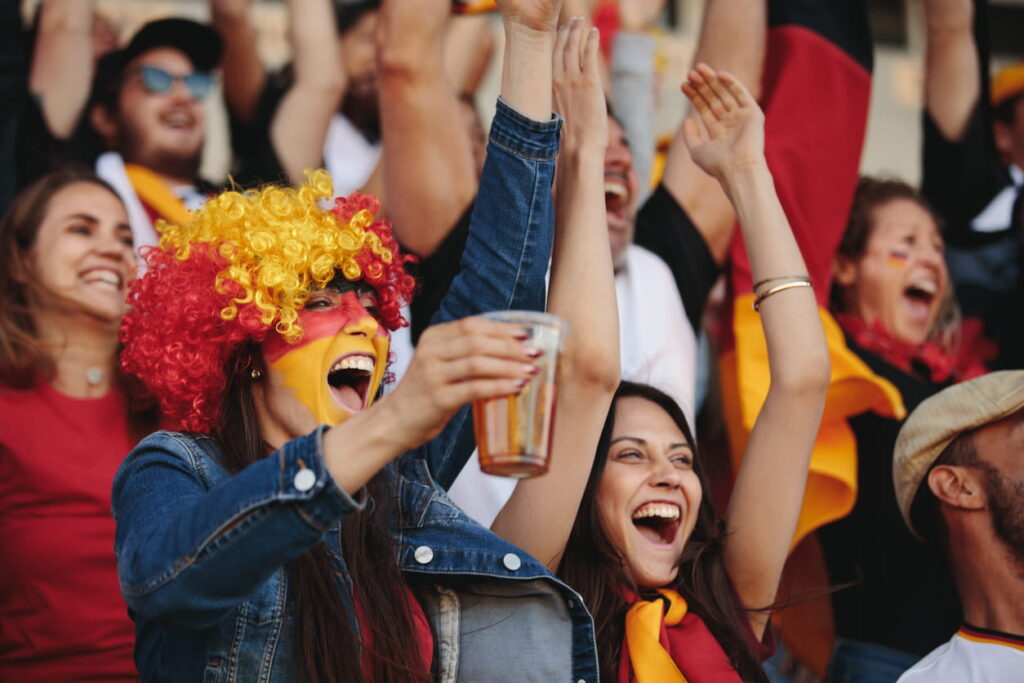
While many brands leveraged the World Cup through sponsorships, the real lesson was not how you can align yourself with a global event, but how you could build similar fandom for your own brand community.
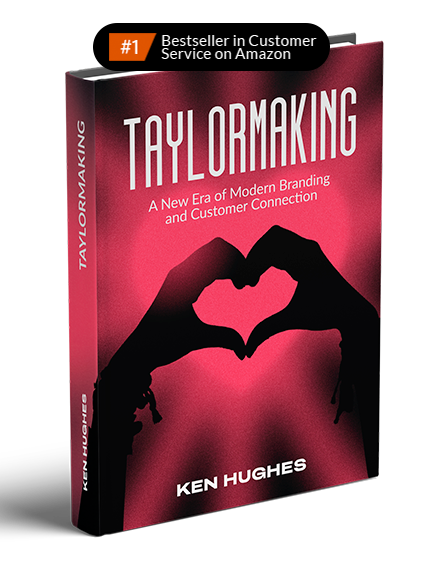
In previous articles I have written extensively on belonging, ritual and community. In fact, I wrote an entire book about it – Taylormaking.

Here I am going to focus on one of the key foundational aspects of fandom, namely Delight.
Most brands say they want to ‘delight’ their customers. It rolls easily off the tongue in boardrooms and strategy decks but ask ten executives what ‘delight’ actually means, and you’ll get ten very scattered and vague answers. “Great service.” “Going above and beyond.” “Giving a customer discount.”
As Agentic AI is set to commoditise the Customer Experience (CX), having good service and ‘going beyond basic expectations’ will no longer delight customers. Even today, what brands too often consider ‘delight’ is simply competence with a small bow on top. It is a word that has perhaps lost its meaning.
The Meaning of Delight

The root of the word “delight” comes from the Latin delectare – to charm, to attract, to take pleasure in. Pleasure. There is a certain dynamic energy in that word. Pleasure is often multi-sensory. Think about biting into a juicy burger when you were starving. That first cold beer on a hot day. That first kiss of someone you have been attracted to for a long time. Pleasure has resonance.
Delight is not just some kind of passive satisfaction but emotional elevation. And because emotional engagement is the foundation of brand loyalty, delight is a sure way to build the brand advocacy you seek.
Despite the corporate hysteria around satisfaction tracking and NPS, please remember that ‘satisfaction’ simply means the customer’s expectations were met, that their expectations around your product or service equaled their experience. Hardly anything to write home about. They got what they expected to get.

Delight, however, means that those expectations were exceeded in a way that created an emotional shift, with that shift then forming a bond of attachment.
Most brands confuse delight with discounts or with speed or efficiency. But those are simply your tickets-to-play in 2026. Next or same day delivery no longer delights but reassures. A welcoming smile has become the expected in any customer service interaction.
Expected experiences do not build fandom or brand advocacy. They simply build transactional loyalty, routine purchases made repeatedly because ‘nothing went wrong’. That is not fandom. That is tolerance.

Delight is an emotional recalibration. It’s when a customer thinks, “Wow. I really did not expect that.” And it is in that micro-moment, the customer: brand relationship changes.
The Neuroscience of Delight
Delight almost always contains an element of surprise, that is the point.
Surprise is one of the seven universal human emotions (the others are happiness, sadness, fright, disgust, contempt and anger). It is short-lived but neurologically powerful. It acts as an error signal in the brain. Something unexpected has happened, you need to pay attention.
In that moment, dopamine floods your system. Your attention sharpens and emotional intensity can increase up to 400%. What that means from a neuroscience perspective, is that the customer’s brain codes the moment deeply into memory.

When a brand creates a pleasant surprise, be that a thoughtful gesture, a personalised moment, or a frictionless intervention at just the right time, that dopamine surge becomes associated with the brand. Memory is formed and emotion is imprinted.
Emotion drives loyalty. In fact, loyalty is an emotion long before it is a measurable metric.
In psychological terms, we often describe surprise as moving through three phases: Freeze. Find. Shift.
- Freeze. The momentary pause while cognitive resources reallocate. It is a moment of uncertainty. Something unexpected is happening.
- Find. Curiosity activates. What just happened? This is a moment of wonder as it dawns on the customer that the uncertainty is positive
- Shift. The emotional recalibration. The delight moment is calibrated with the brand delivering it, the hormone release and feelings associated with the brand.

It is of course the ‘Shift’ stage that matters most. That’s where delight moves from being something a customer ‘experiences’ to something that becomes a building block for a longer-term relationship.
Delight Is Not About Scale. It’s About Meaning
One of the biggest myths in customer experience is that delight must be something grand, some big gesture worthy of a viral TikTok story. It does not.
A barista remembering your name and your exact order. A handwritten note in a package. A hotel room set to your preferred temperature before you arrive.

The Ritz-Carlton’s “mystique” system tracks guest preferences across stays -your favourite drink, pillow type, room temperature. When you return and your favourite snack is in your room waiting for you, it doesn’t feel like ‘activated data’. It feels like belonging.
Small moments often create deep loyalty. As a customer, delight can also be about feeling seen and valued. It signals: You matter. And that signal is your gateway to fandom.
From Delight to Identity
Here is where the conversation gets more interesting. As previously outlined, delight creates emotional memory, and repeated emotional memory builds identity, and identity builds fandom.

Fandom is never about transactions. Forget your ‘Buy 9 cups of coffee, get a 10th free’. That is not loyalty. That is entrapment. Most corporate loyalty and reward schemes completely miss the point. They are focused on data, CRM and retention as opposed to relationship and fandom.
Fandom is all about self-expression.
As the cameras panned the stadium crowds, or even the TV coverage of the World Cup games in local bars, evidence of self-expression was everywhere. Sure, some ‘fair-weather’ fans simply turned up in the team colours, but true fans used the opportunity to truly express their fandom and identity.
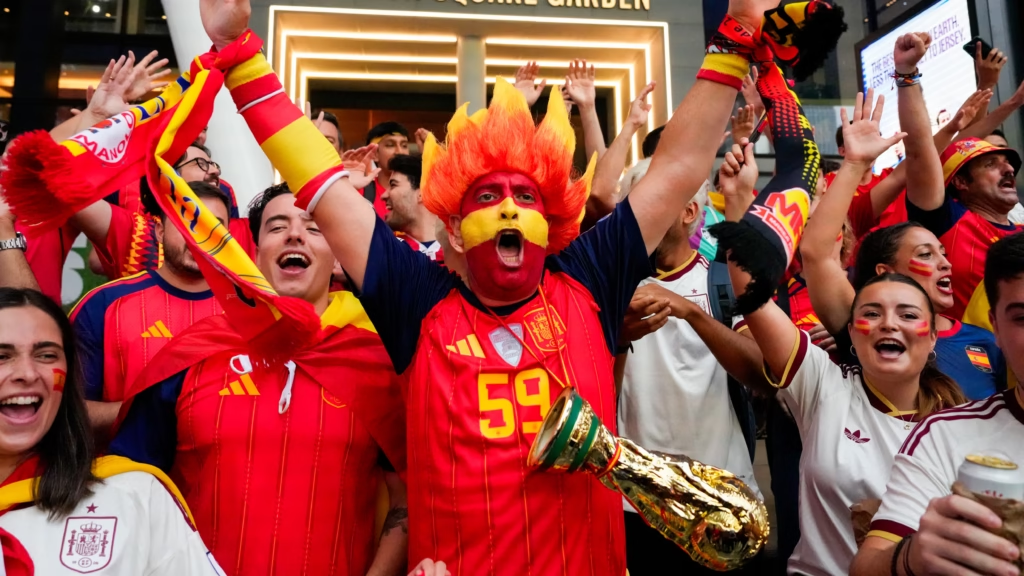
Fandom tends to make people act irrationally. Ask yourself why people queue overnight for new edition Nike sneakers or a new iPhone? Why do they tattoo Harley-Davidson logos on their biceps? Why do Swifties defend Taylor Swift like family?
Because brands that delight become part of the extended self, a psychological state no competitor can touch. When customers delight in your brand consistently, something subtle happens. They begin to incorporate it into how they see themselves.
This is where most brands start to fall short. They chase those NPS or CSAT scores, they optimise their conversion funnel, they become hyper-focused on measuring satisfaction or ‘likely to recommend’.

But fandom doesn’t come from satisfaction. Fandom comes from identity alignment and identity is emotional. Read that again. Unless you are engaging customer emotion, you are a transactional brand.
Brands are the props in the theatre of the self, and fandom is the show.
Fandom Is a Biological Loop
Understanding the physiology of all this is important. Dopamine fuels motivation and anticipation. Oxytocin strengthens bonding and trust and the arising belonging then further activates these reward pathways in the brain.
When customers feel “this brand gets me,” the neurochemical cocktail shifts away from product and transaction toward attachment and loyalty. That’s why sports team fandom can survive decades of losses. Fans are in it for the long-term, exactly where we would like our customers.
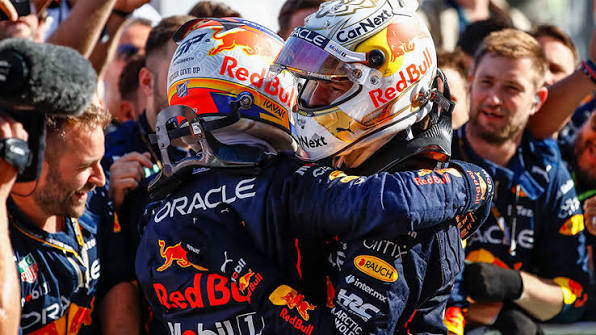
Red Bull is not an energy drink. It is a tribe. It is about community and co-ownership. The product is but a trojan horse to all that matters – Belonging.
Fandom is rarely built through just products or campaigns. It is built through participation, through belonging, through tribal behaviours. It is about tearing away the line between brand and consumer, about stepping into that collaborative space.
Why Most Brands Get Delight Wrong
Sadly, many organisations approach delight tactically. They create one-off surprise campaigns.
They run seasonal gimmicks. Some post reactive memes.
And while each of these elements are valid, delight is not a stunt. It should be a philosophy.

Delight must be designed and engineered into the system. It must be consistent across touchpoints. If one channel delights and another disappoints, the emotional system destabilises. Remember, every brand interaction influences the relationship state.
CX is not a department. It is the conductor of the organisational orchestra. It is emotional choreography. And this is where technology enters the conversation.
Operationalising Delight
The uncomfortable truth is that you cannot deliver meaningful delight at scale if you don’t know your customer. Memory, context and continuity matter.
If customers have to repeat themselves, if their preferences are forgotten, if every interaction feels disconnected, delight quickly collapses into friction.
Delight at scale requires persistent memory, knowing who your customer is, what they’ve experienced, what they care about, and what they might need next.
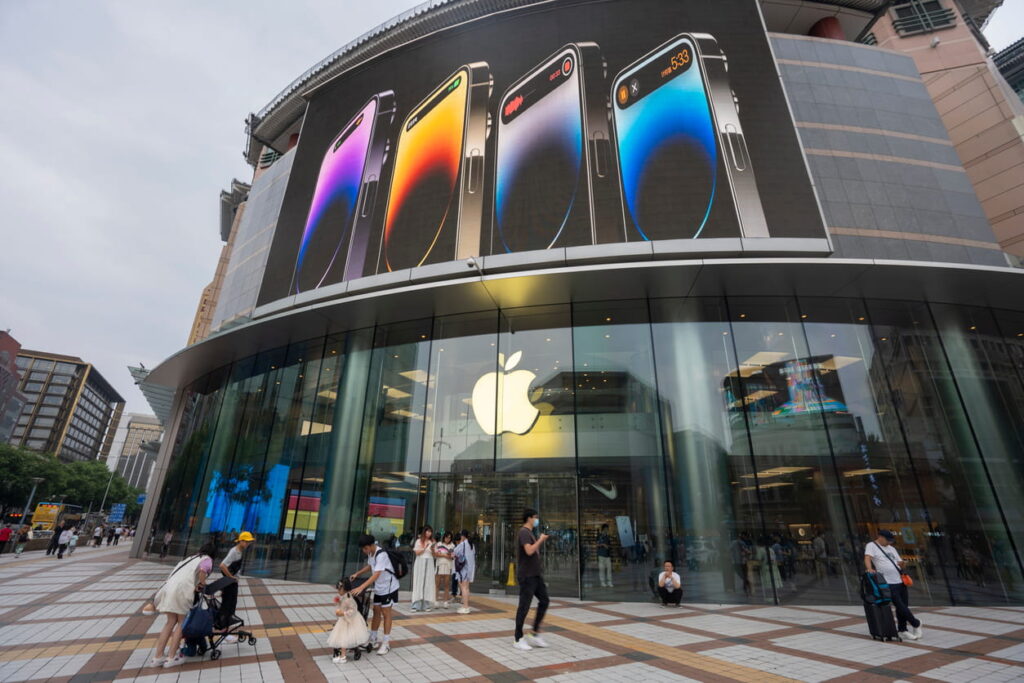
This is not about automation replacing humanity. It’s about technology enabling presence and belonging. When AI can remember preferences, anticipate needs, and remove friction proactively, it frees our human talent to focus on creativity and care, the new battleground for competitive advantage.
The future of delight is intelligent. And that intelligence, when applied creatively and correctly, builds fandom.
The real question then becomes how to design systems that create these emotional recalibration moments? How do we engineer authentic micro-surprises without them feeling contrived? How do we turn every interaction into a building block of identity?
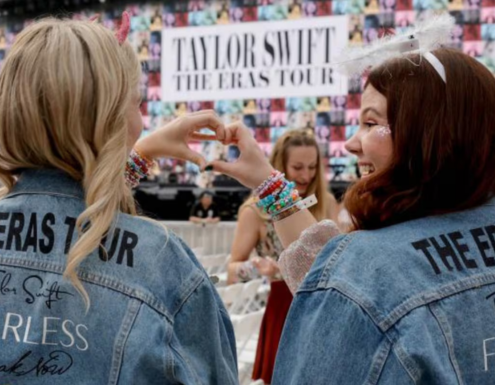
Fandom is not some marketing outcome. It is the cumulative effect of repeated delight. Taylor Swift has built her entire Swiftie army by continuously investing in customer delight. For 20 years she has torn away that line between producer and consumer, surprised her fans in their homes, invited them into hers, popped up in their live feeds. Delight is one of her core brand values, and one that has returned significant ROI.
The brands that win the next decade will not be those with the fastest response times or the lowest cost structures, the current focus of AI in CX. They will be the ones who understand that delight is a neurological event and that the subsequent fandom is the ultimate retention strategy.
Final Thought
Every organisation, department and team should nominate an ‘Excite & Delight’ Director.
Someone who takes dedicated time to push past expectations and ensure that customers are continuously being ‘excited and delighted’. If it is no one’s responsibility, it falls through the cracks in the daily fire-fighting that is Customer Service and CX.

If satisfaction is about meeting expectations, delight is about exceeding them in ways that reshape perception. And remember loyalty, as a concept, is behavioural, but fandom is emotional.
When customers don’t just buy from you, but identify with you, something extraordinary happens. They don’t churn but become strong brand advocates. They defend. They belong.
That is the science of delight, and it is how your brand can build its fandom.
Obviously the Argentinian, English and French fans might not feel so delighted this month after losing in the semifinals and final, but they will still be cheering their team on in 2030.
Fandom runs deep.